Cape Town’s creative future: A conversation with Martin Hiller on film, collaboration and storytelling
30 October 2026
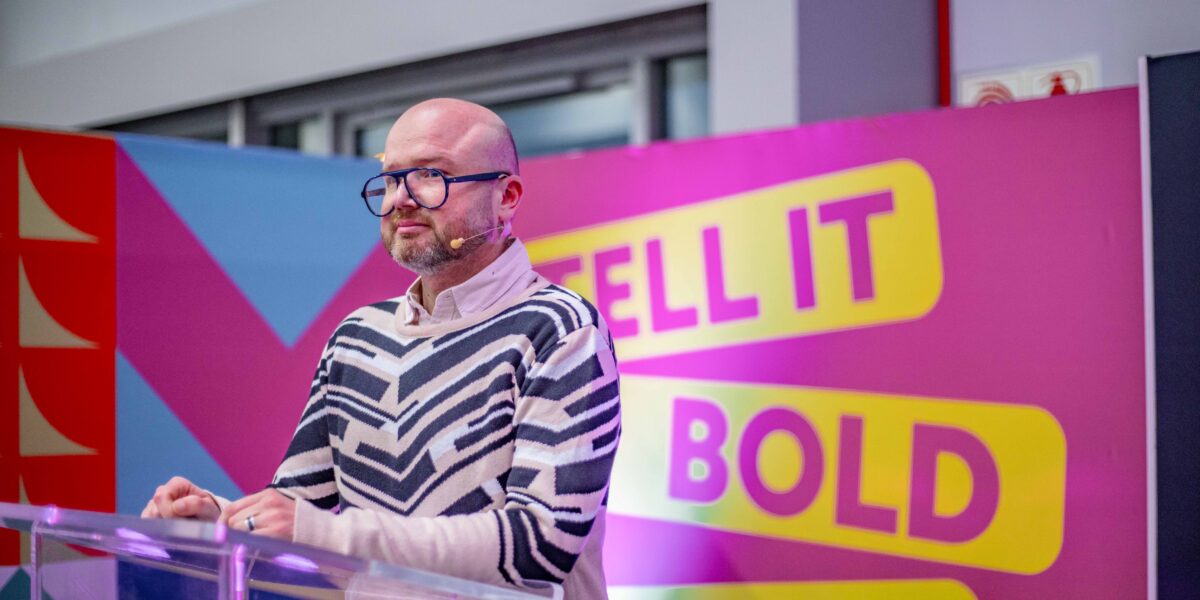
On the final day of FAME Week Africa 2026, we feature Martin Hiller, Chief Operating Officer of FAME Week Africa and a passionate advocate for the continent’s creative industries. With Cape Town continuing to strengthen its reputation as both a world-class production destination and a growing hub for African storytelling, Martin shared his insights on the city’s unique creative ecosystem, the power of collaboration across film, television, music and fashion, and the opportunities that lie ahead for the next generation of African creatives.
Q. You’ve worked across the creative industries for many years. What makes Cape Town such an interesting place for film, and what keeps you coming back to the city?
Cape Town has this incredible creative energy. It’s a city where talent, culture and opportunity come together. What keeps bringing me back is the people. There’s a real appetite to collaborate, create and tell stories. And every time I’m here, I discover something new.
Q. Film is inherently collaborative, bringing together visual art, music, fashion, design and storytelling. How do you see these creative disciplines influencing one another in Cape Town?
I think the exciting thing about Cape Town is how naturally these industries overlap. Musicians work with filmmakers, designers influence visual storytelling, and artists bring completely different perspectives. The magic happens when we stop working in silos and start seeing ourselves as part of one creative ecosystem.
Q. Cape Town has a strong visual identity, from its landscapes and architecture to its fashion and cultural scenes. How does the city’s identity translate into film and screen storytelling?
Cape Town is incredibly cinematic, but its greatest asset isn’t just its scenery. It’s the diversity of its people, communities and cultures. There are so many stories waiting to be told. I’d love to see us move beyond using the city as a backdrop and really celebrate its identity.
Q. Music can completely transform the way an audience experiences a film. What opportunities do you see for Cape Town’s musicians and music creators to connect more closely with the film industry?
There’s enormous potential here, particularly around music supervision, licensing, composition and soundtracks. Through Muziki Africa, we’re actively creating opportunities for musicians to connect with filmmakers and content producers. I’d love to see African music becoming an integral part of our storytelling, while creating new revenue streams for artists.
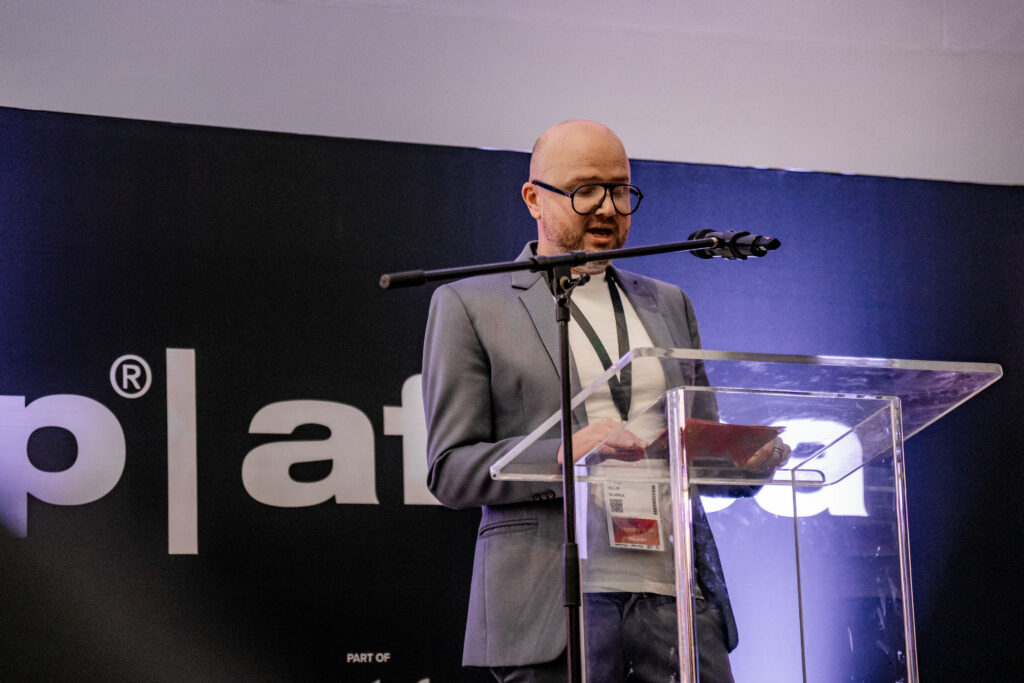
Q. Where do you see opportunities for Cape Town’s fashion creatives within the screen industry?
Fashion is such an important part of storytelling. It creates characters, establishes identity and brings worlds to life. Beyond costume design, there are opportunities in styling, production, collaborations and brand partnerships. Through our African Fashion Forum, we’re encouraging designers to see the screen industry as another exciting commercial opportunity.
Q. What role do you think Cape Town’s artists, designers and visual creatives can play in shaping the city’s film industry?
They have a huge role to play. Production design, animation, visual effects, set design and art direction all contribute to what audiences experience on screen. Cape Town has extraordinary creative talent, and I think the opportunity is to bring these voices into productions much earlier in the creative process.
Q. FAME Week brings different creative communities into the same space. Why is that kind of cross-pollination important for the growth of Cape Town’s creative economy?
This is really why FAME Week Africa exists. We bring film, television, music and fashion together because opportunities often happen between industries. A conversation over coffee can become a collaboration, a business deal or a new project. We want to create an environment where those connections happen naturally.
Q. For emerging creatives looking to break into film, what advice would you give them about building connections beyond their own discipline?
Get out there, be curious and have conversations with people outside your immediate industry. Attend events, ask questions and build genuine relationships. You never know where your next opportunity will come from. And importantly, don’t just network when you need something. Build relationships that grow over time.
Q. Cape Town already has an established reputation as a production destination. What do you think the city needs to do next to strengthen its position as a home for creative talent and original storytelling?
We’ve proven that Cape Town can deliver world-class productions. The next step is strengthening our own intellectual property, supporting local producers and attracting investment into African stories. We need to move from being a destination where international productions are made to a city where original content is developed, owned and exported.
Q. Looking ahead, what excites you most about the future of film and the wider creative industries in Cape Town?
What excites me is the talent coming through and the opportunities being created by new technology, platforms and storytelling formats. African creatives are finding new ways to reach global audiences. I genuinely believe Cape Town can become one of the world’s most exciting creative hubs, and we’re only getting started.


