Christian Bennett, A career built on truth, storytelling and staying true to his roots
20 November 2026
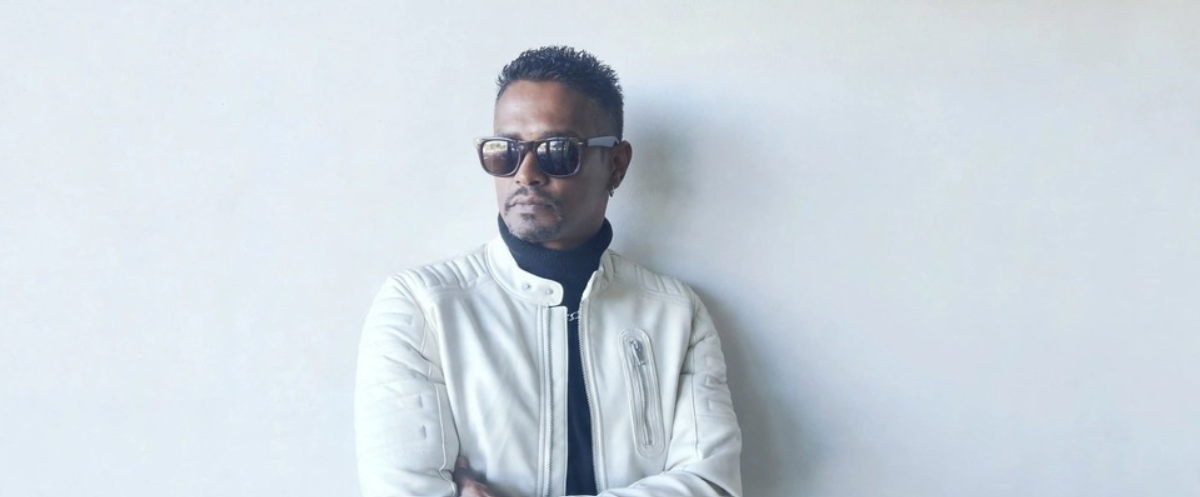
From his early days performing at church and school to appearing in productions such as Noem My Skollie, Arendsvlei, The Umbrella Men and Zulu, Cape Town actor Christian Bennett has built a career across film, television and the performing arts. Known for bringing complex characters to life through honesty and authenticity, Bennett reflects on his journey, the lessons learned along the way, the evolving South African entertainment industry and the characters he still hopes to portray.
Q. How did your journey in acting begin and how did that passion develop into a career?
I started out in church in Sunday school doing little performances in church and at school I was always infront, the hype guy. I was always a choir boy, so it started out with music and singing and over time my acting developed. But I do come from a family of story tellers and that’s where the entertainment bug bit me.
Q. You have built an impressive body of work across film and television, including Noem My Skollie, Zulu, Arendsvlei and The Umbrella Men. Which projects have been particularly significant in shaping your career, and why?
Well, my career is still under construction and always will be, but I can say NOEM MY SKOLLIE was the top one for me in terms of deeply understanding character acting, because I had to play someone who had walked the earth before as a real person. Umbrella Men was more about me myself as a person, bringing out the funny, light and silliness of the character. ARENDSVLEI was a joy to play, opposite fellow thespians I grew up with in theatre. Zulu was just a feather in the cap because of the opportunity to work with Mr Forrest Whitaker and Orlando Bloom, but I don’t feel it’s a major thing, as I have worked with locals whom I respect more than international actors.
Q. You are often recognised for portraying complex, sometimes villainous characters, how do you approach these roles, and what do you look for when bringing a character to life beyond what is written in the script?
Plain and simple TRUTH AND HONESTY from what I have with in me and what I’ve seen before and use that.
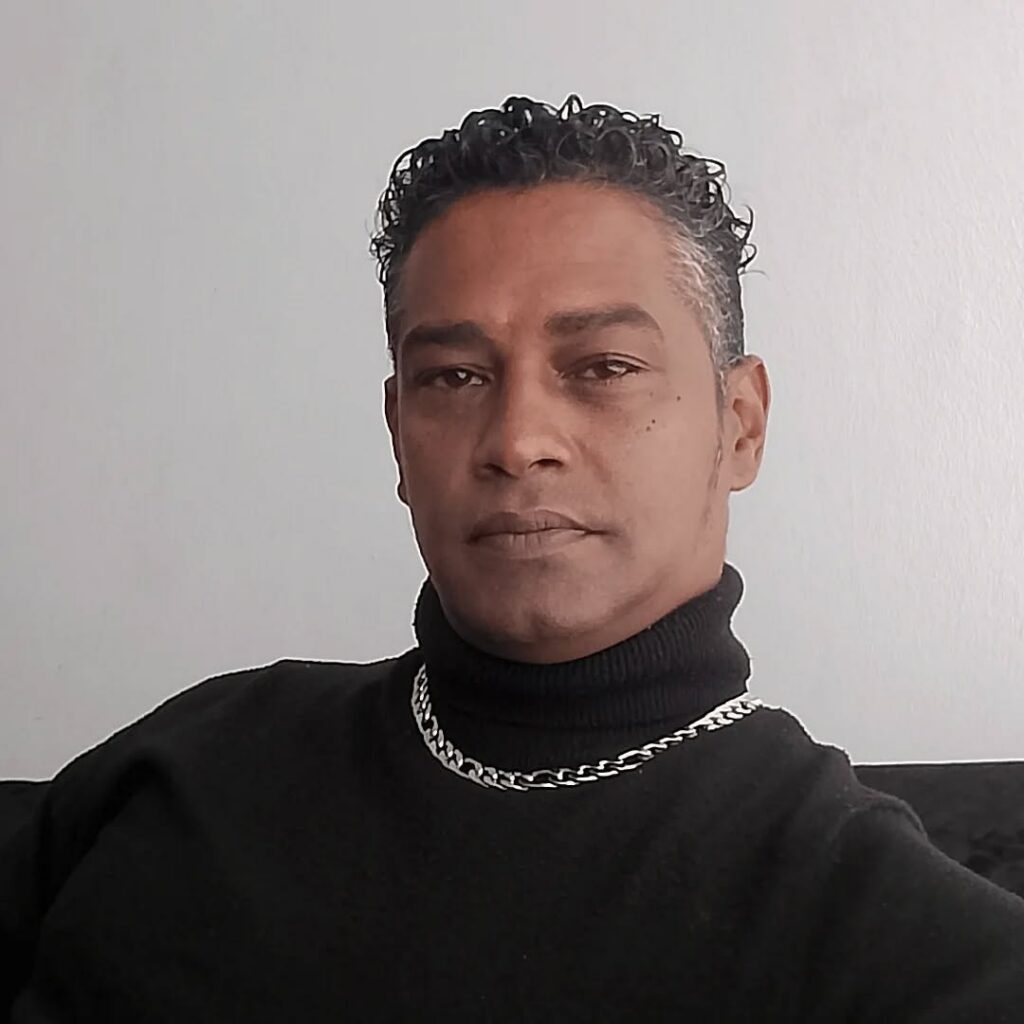
Q. Your role as Gif in Noem My Skollie was a notable moment in your film career. What did that production mean to you, and how did the experience influence your journey as an actor?
Yes it was and Giff meant a lot like I said I was portraying a man that died in real life and I had to play it on screen. To do it with his real family and the one survivor of the group on set uncle John W Fredericks was amazing. I met him about 10 years before NOEM MY SKOLLIE and he made me 2nd assistant casting director on the spot at my audition. So, there was trust not because of my acting but because of what he saw in me as the person I am. It influenced me more as a person than an actor.
Q. You have also worked on international productions, including The Fix, what has working on international sets taught you about the industry, and how do those experiences compare with working on local productions?
To be honest weather it’s international or local it’s just another job so I don’t make of the one “vis and the other vleis”, I know where I come from so it’s just another Tuesday, that being said YOU’RE ONLY AS GOOD AS YOUR LAST JOB.
Q. What was the biggest obstacle you faced breaking into the industry, and what kept you motivated to continue pursuing your goals?
I’m still busy breaking into the industry lol. God kept me motivated and to find another Christian Bennett to help.
Q. Beyond acting, you have explored comedy, presenting and creating digital content, how important is it for you to explore different creative outlets, and do these disciplines influence one another?
I come from an era where there was no internet or phones at first (a blessing), so there was no difference between all of it. If I had to act, I had to. Whether it was drama, comedy, MCing or poetry, it was all just under one umbrella growing up. It’s influencing one another in today’s time, with all the different things going on on the internet and in the world, but it’s still all under one umbrella. It depends on what brings in the money on the day.
Q. How have you seen the local industry evolve, and what opportunities do you believe it offers to emerging actors and creatives?
It has its pros and cons. Once again, with the internet, anyone can become famous overnight through a trend, a dance, a voice-over, etc. But sustaining that fame and using it in a positive way, without growing a big head where you have to walk in sideways through a door, is a challenge for most who have never come through the discipline of the industry. Every industry offers opportunities; it’s just about finding them and nurturing them to your advantage and passion.
Q. Representation and authentic storytelling are becoming increasingly important in film and television. As a South African actor, what stories do you think still need to be told, and what role do creatives have in shaping how audiences see themselves and their communities?
Your own story needs to be told. It doesn’t matter what it is; everyone has a story within them. You shape your community through your own story, and vice versa.
Q. As you look ahead, what kinds of stories, characters or projects would you still love to explore, and what do you hope audiences will take away from your work?
Well, it’s not so much about what kind of story I want to tell, but rather what kind of characters I would like to play in the story. I would like to play a full-on blind character and a character with autism, or even both in the same character. The story doesn’t matter, as long as it’s doing justice to the character that I’m portraying.
Lastly, Christian ends off with – always remember “when life knocks you to your knees you in a better position to pray” (Soli Philander)


