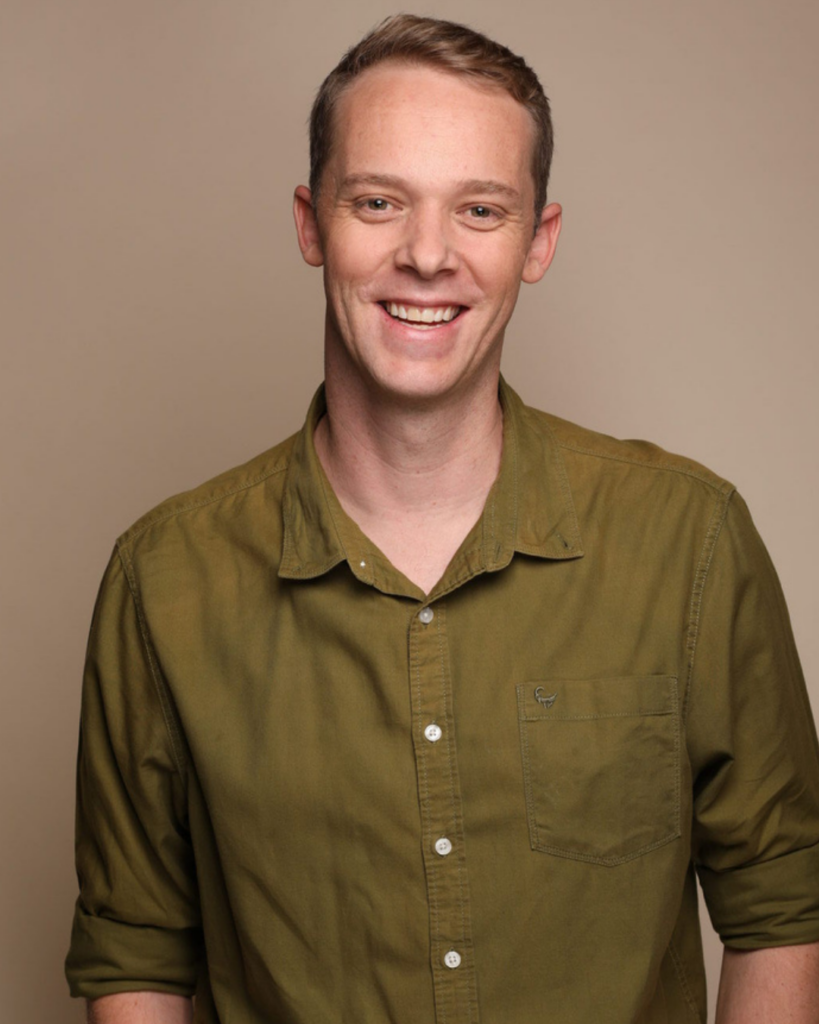
Taking South African stories to the world, a Q&A with Scharl van der Merwe
28 August 2026
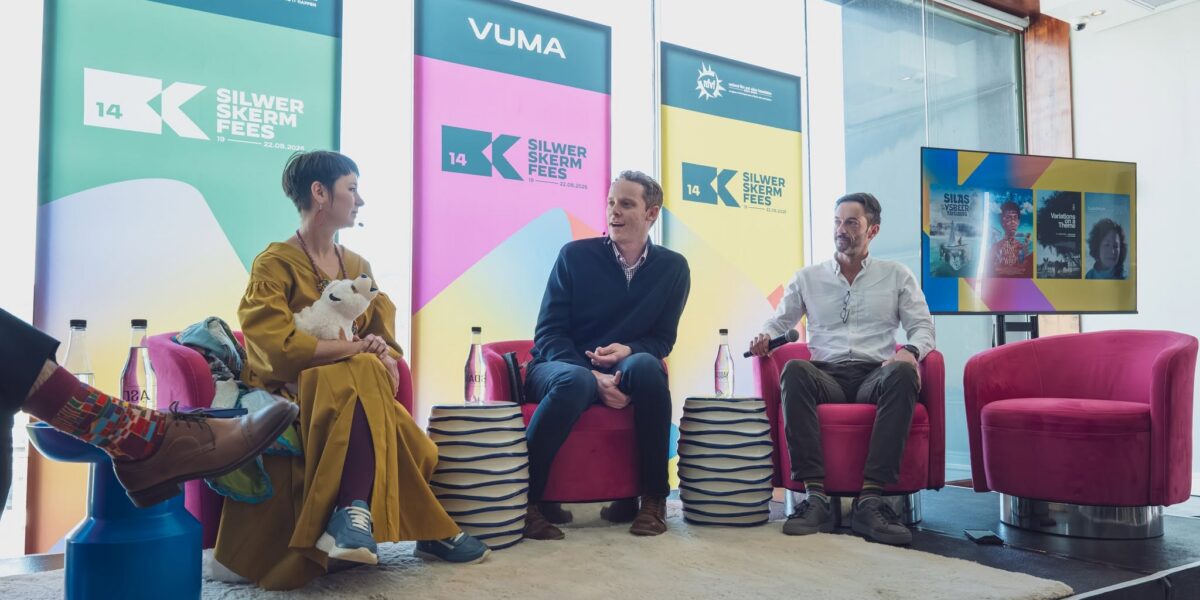
As South African content continues to make its mark on the international stage, the global appetite for authentic, locally rooted stories is growing. But what makes a South African story stand out in an increasingly competitive content landscape, and how can Cape Town strengthen its position as a hub for world-class productions and international co-productions?
We spoke to Scharl van der Merwe, Head of Premium Content and Co-Productions for MultiChoice, a Canal+ Company, for his perspective on the opportunities ahead for South African filmmakers and producers. From the growing demand for authentic storytelling and the potential of international co-productions to Cape Town’s competitive edge as a production hub, Scharl shares his thoughts on where the local industry is headed and what it will take for South African stories to connect with audiences around the world.
Q. What do you believe makes local content stand out in an increasingly competitive global market?
South African content stands out because it offers something the global market is constantly searching for: authenticity. Audiences have access to more content than ever before, which means generic stories struggle to break through. The stories that travel are often those that are deeply rooted in a particular culture, language and place. Afrikaans films, like Hen (2025) is a good example. While it is unmistakably local, the themes explored, such as family, identity, and resilience, are universal. At festivals like Silwerskerm we continue to see productions that are uniquely South African while still connecting emotionally with audiences far beyond our borders.
Q. What kinds of South African stories do you think have the greatest potential to connect with international audiences, and why?
The stories with the strongest international potential are those that combine a distinctly South African perspective with universal human experiences. Global audiences are not looking for stories that imitate international trends. Stories set in our communities, landscapes and cultural contexts offer exactly that. They are looking for fresh viewpoints. Films like Carissa (2025) and From Dust We Spin (2026) and series like (Spinners 2023 – 2026) are good examples.
Q. What do you think gives the Cape Town an edge when it comes to creating content for a global audience?
Cape Town combines world-class production infrastructure with a remarkable diversity of locations, creative talent and technical expertise. It is one of the few places where productions can access international-standard crews and facilities while also drawing on a rich range of stories and cultural perspectives.
Q. From your perspective, what are international commissioners, broadcasters and platforms looking for when they consider South African projects?
Increasingly, they are looking for authenticity, quality and scalability. International partners want stories that feel unique and culturally specific, but they also want strong creative packaging, experienced production teams and a clear route to audience engagement.
Q. How can the local industry strike the right balance between telling distinctly South African stories and creating content that resonates beyond our borders?
The balance lies in focusing on universal emotions and relatable human experiences while staying true to local characters, settings and cultural perspectives. Successful co-productions, like Invisible (2026) understand this well. They use international partnerships to expand reach and resources, but they preserve the unique voice that makes the content worth telling in the first place.
Q. Where do you see the biggest untapped opportunities for South African content creators and producers right now?
One of the biggest opportunities lies in international co-productions and strategic creative partnerships. The global content industry is increasingly collaborative, and South African producers have an opportunity to participate in projects that combine funding, expertise and market access from multiple territories.
Q. With audiences having more choice than ever before, how do you think the expectations of South African viewers are changing, and what does that mean for local content creators?
Viewers increasingly compare local productions against the very best content available globally. They expect strong writing, high production values and compelling storytelling regardless of where the content originates.
Q. If you look five years ahead, what would you like to see South African content, and Cape Town as a production hub, be known for on the global stage?
I would like South African content to be recognised as a source of internationally respected storytelling, rather than simply a production destination. We have the talent, creativity and cultural richness to become a consistent exporter of stories that resonate globally. For Cape Town specifically, I would like it to be known not only as a world-class filming location, but as a hub for international co-productions where local and global talent come together to create distinctive content. If we can continue developing sustainable partnerships while nurturing authentic South African voices, we will be well positioned to make a lasting mark on the global entertainment industry.