Inside the world of film wardrobe with Tristan Makka
22 May 2026
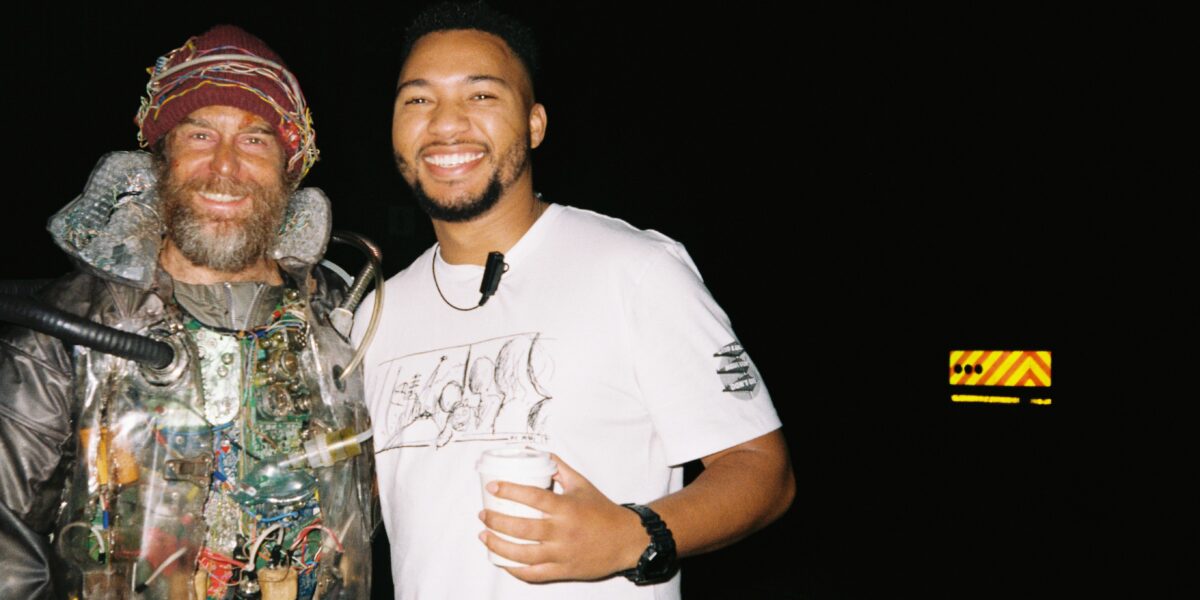
This week’s feature shines a spotlight on a Cape Town wardrobe professional, Tristan Makka, whose career has taken him from local film sets to major global productions. Tristan shares insights into the fast-paced world of wardrobe, the technical precision behind every costume, and what it takes to thrive in one of the industry’s most detail-driven departments.
Can you tell us about your journey into wardrobe and how you found your way into the film industry?
My journey into the industry started straight out of high school. I had just received my results and was planning to take a gap year, but my dad, who worked in the industry, wasn’t too keen on that idea. He got me a job as a handyman/PA helping set up production offices. It was the first time I was getting paid, so I took it.
While setting up offices, I met someone in the costume department who liked the way I worked. When their trainee left, they recommended me—and that was about 10 years ago. From there, I just stayed consistent, learned on set, and worked my way up through the department across different productions like Breathe, Tomb Raider and later into bigger series work.
What does your role in wardrobe typically involve on a production day?
On a typical production day, I’ll arrive early, go through the sides and form a game plan for the day, and prep the first scene. That includes setting costumes, packing for any changes—especially if we’re far from basecamp—and making sure I’ve got everything I might need later like multiple costumes and wire rig harness gear …etc.
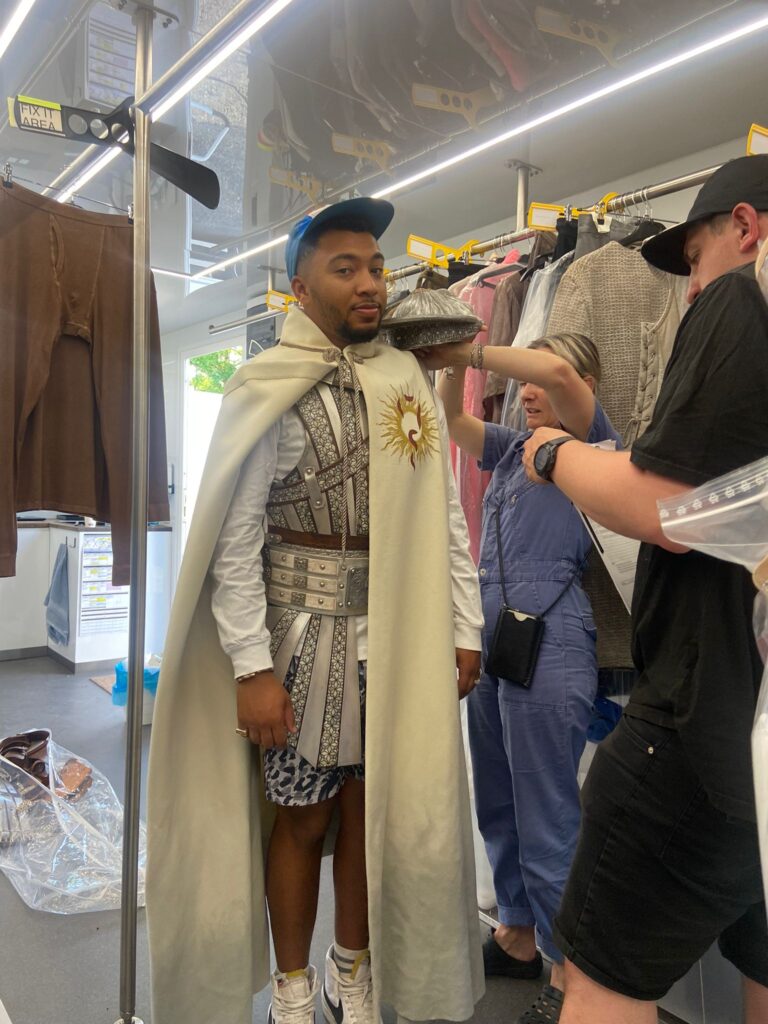
From there, my role is making sure actors are in the correct costume, maintaining continuity, and being ready for anything. That can mean aging costumes, breaking them down according to what the character has gone through, creating wounds, adding blood for action scenes, and constantly tracking everything across takes.
On larger shows like The Wheel of Time, the scale just amplifies all of that.
Wardrobe is often one of the most detail-driven departments. What are some of the biggest challenges you face on set?
Maintaining continuity is always a big one, especially when you’re shooting out of sequence, which is usually the case. You create the end look before you have even begin to shoot the action sequence which creates its own set of problems and challenges to work within.
Another big challenge is keeping the integrity of a costume through action or stunt sequences. You might start with something pristine and then have to track every stage of damage realistically. That becomes even more demanding on projects like The Woman King or Monster Hunter, where there’s a lot of physical movement and harsh conditions.
Then on period or military jobs, there’s the added pressure of getting the details exactly right for that specific time.
What do you think people often underestimate about the wardrobe department?
People definitely understand that it’s creative, but they underestimate how technical it is.
It’s not just about picking clothes—it’s about making them work on camera in real conditions. For example, knowing how different fabrics behave in action, or how to stitch or secure something so it holds up in strong wind but still looks completely natural and untouched on screen. We often have to try to create a costume solution on the floor to help sell the shot which can be such a rewarding challenge.
On shows like Raised by Wolves, even though the look is stylised, everything still has to function practically.
Can you walk us through your preparation process before a shoot begins?
Prep usually starts a few weeks before shooting. We break down the script in detail and highlight any challenges—like water scenes, rain, or stunt sequences—which often require multiples of the same costume. That directly affects planning and budget.
After that, we go through the shooting schedule to track when each look is needed. We assist with fittings, attend stunt rehearsals to make sure everything works, and help out where needed with breakdown or manufacturing.
At the same time, we’re constantly collaborating—discussing wounds and blood with makeup, working with props so everything integrates properly, and doing colour and fabric tests with camera so it all translates correctly on screen. On Big shows like Warrior, prep is everything.

How do you collaborate with other departments like art, hair and makeup, and camera?
Collaboration is constant. With makeup, we plan how a character evolves—wounds, blood, and overall breakdown. With props, it’s about how items interact with the costume. SFX its all bout Hiding blood , pee or water rigs while making the costume still look good . Prostethics is a collaborations between cutting the costume to show the wound while adding blood to make the necessary effect.
We also work closely with camera during tests to make sure fabrics and colours read correctly. On productions like The Crown, that level of coordination across departments is what makes everything feel believable.
Is there a project or character you’ve worked on that stands out for you creatively?
A project that stands out for me is The Wheel of Time Season 3. Being a fantasy show, the level of creativity was on another level. Seeing the work from Sharon Gilham and being part of a team of over 100 people hand-making fabrics, armour, and costumes was pretty eye-opening.
A character that stands out is working with Sam Rockwell on Good Luck, Have Fun, Don’t Die (Designed by Neil McClean) He’s a generational talent—he really lives and breathes the work, and it was incredible to watch that process up close, especially with such a unique costume.
Cape Town is a major film hub. How has working here shaped your experience in the industry?
Cape Town has shaped my experience massively. It’s one of the biggest film hubs in Africa, and we consistently host international productions, so the standard is high.
Working here has exposed me to that level early on and pushed me to grow quickly. It’s also opened doors to work abroad in places like Rome, Venice, Prague, Slovenia, and Mauritius, which gives you a broader perspective on how different crews operate.

What has been your most challenging day on set, and how did you handle it?
The most challenging days are usually when everything overlaps—tight schedules, multiple costume changes, heavy continuity, and often stunts or difficult conditions at the same time.
Which for me “GOOD LUCK, HAVE FUN,DON’T DIE” was probably my most recent ‘most challenging” day due the nature of the costume for Sam Rockwell, it wasn’t a easy costume to wear all day especially during action sequences which meant we had to dress and re-dress multiple times ( it took 4 people to dress and started at a 45 min dress time) which also meant we had to do it all at lightning speed in between setups in order to keep the actor somewhat comfortable and also make the shots.
Also, the challenging scripts etc. but I guess as you learn and do more projects the most challenging day changes and we forget what was so hard in a project. In those moments, it really comes down to preparation and staying calm. You rely on your notes, your team, and just tackle things one step at a time.
What do you enjoy most about working in wardrobe?
What I enjoy most is being part of the storytelling. Wardrobe plays a big role in shaping how a character is perceived, and seeing that come together on screen is always rewarding for example Peaky blinders wouldn’t be Peaky Blinders if it wasn’t for the costumes.
I also enjoy the variety—going from something grounded like The Mauritanian to something more stylised like One Piece keeps things interesting.
Which film has been your favourite to work on and why?
It’s hard to pick one, but the projects that stand out are the most fun ones and those with strong teams and a clear creative vision which for me was My Spy 2 because when you’re working with legends like Dave Bautista and the funniest actors in the industry being Ken Jeong and Craig Robinson every day is a dream you truly look forward to going to work. Especially when work takes you to Italy and you get to experience cities like Rome, Venice, Florence and Bologna
Those are the ones where everything clicks and you can really feel the level of detail and effort across all departments and the incredibly hard ones like ‘Red Sea Diving resort ‘that are so hard you have just pride in being part of and completing.
What advice would you give to someone wanting to enter wardrobe or costume in film?
Take initiative, have a sense of urgency, and be willing to learn.
Listen properly and absorb as much as you can, because the more people see you’re willing to learn, the more they’ll invest in teaching you. It’s not always glamorous—it’s hard work—but if you stick with it, it opens a lot of doors.


