Beyond the frame with Arthur Neumeier
26 June 2026
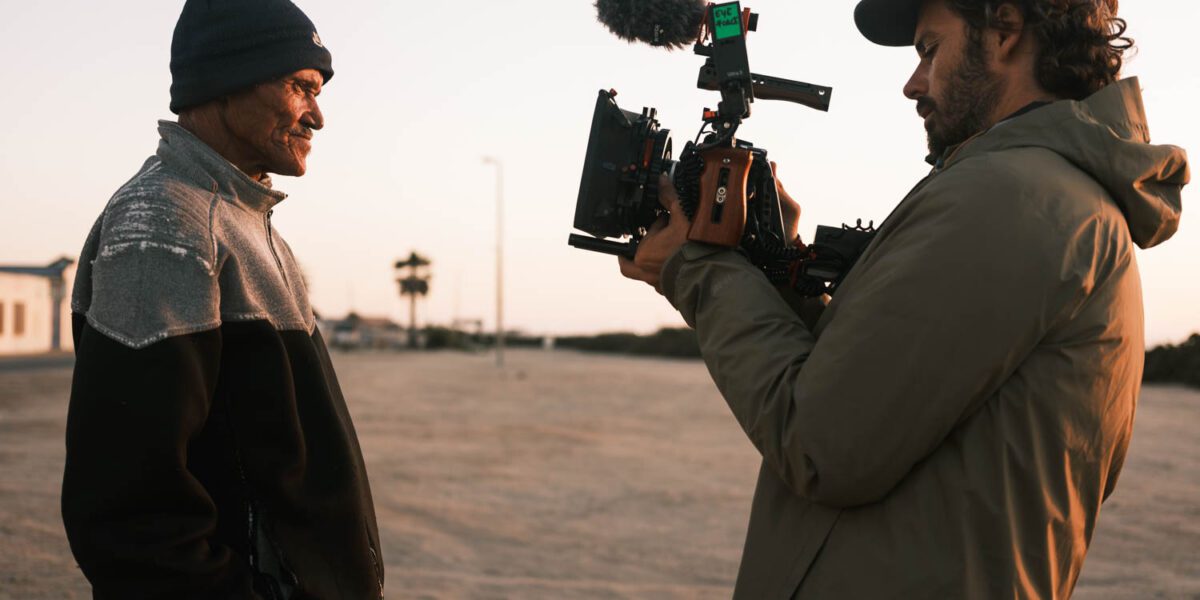
Award-winning filmmaker and cinematographer Arthur Neumeier has built a career telling stories that connect people with the natural world. As the co-founder of Eyeforce, with studios in Cape Town, Amsterdam and Lisbon, he has worked on documentaries and campaigns for many organisations.
Arthur’s latest documentary, Out of Mined is set against the striking landscapes of South Africa’s West Coast, the film explores the delicate balance between environmental conservation, community, heritage and the growing pressures of mining.
Following Out of Mined‘s selection for the prestigious Cannes Film Festival, we caught up with Arthur to discuss his filmmaking journey, the inspiration behind the documentary, why the West Coast deserves global attention, and how South African stories continue to resonate with audiences around the world.
Q. You’ve built a diverse career as a filmmaker; what first drew you to storytelling through film, and how has your approach evolved over the years?
I’ve always been fascinated by people and the natural world. Growing up, I spent a lot of time outdoors, and filmmaking became a way to combine my love for adventure with storytelling. Early on I was probably more focused on creating beautiful images. Today, I’m much more interested in the human stories behind those images.
Q. Looking back at your body of work, what themes or ideas do you find yourself returning to most often?
I keep coming back to stories about the relationship between people and nature. Whether it’s the ocean, wildlife or remote communities, I’m interested in people who have a deep connection to the places they live. Those stories often reveal bigger questions about how we value our environment and how we choose to live alongside it.
Q. Having your film selected for Cannes is a remarkable achievement; what do you think resonated most strongly with the selection committee?
It’s difficult to know exactly, but I hope it’s because the film feels genuine. We spent a lot of time earning people’s trust and telling their stories as honestly as we could. The people and their stories are what makes the film interesting and beautiful. We are covering quite a few important stories and communities. I think audiences connect with authenticity, and hopefully that’s what the jury responded to.
Q. How does international recognition like Cannes impact the future life of a film and the conversations it can generate?
Recognition like this gives the film a much bigger platform. Suddenly people who might never have heard about South Africa’s West Coast are paying attention. That creates opportunities for conversations with broadcasters, distributors, festivals and audiences around the world. Ultimately, that’s what you hope for as a filmmaker that the story reaches far beyond the people who made it.
Q.What would success for this film look like beyond its festival run?
If the film helps people see the West Coast differently, creates awareness, contributes to better conversations around mining, and inspires more people to protect what remains, then I think we’ve achieved something meaningful.
On a local level, I hope the film contributes to positive changes in mining policy, so that the remaining untouched parts of the West Coast receive the protection they deserve.
On a global level, I hope it encourages people to think differently about the diamonds they buy. Today, lab-grown diamonds are chemically and visually identical to mined diamonds, yet they don’t carry the same environmental footprint. If the film makes people stop and ask where their diamond came from before buying one for someone they love, then we’ve started an important conversation.
I’d also love to see the film reach a broad audience through television and streaming platforms so these stories can continue to travel and inspire change.
Q. Can you share a memorable moment or experience from filming on the West Coast that stayed with you long after production wrapped?
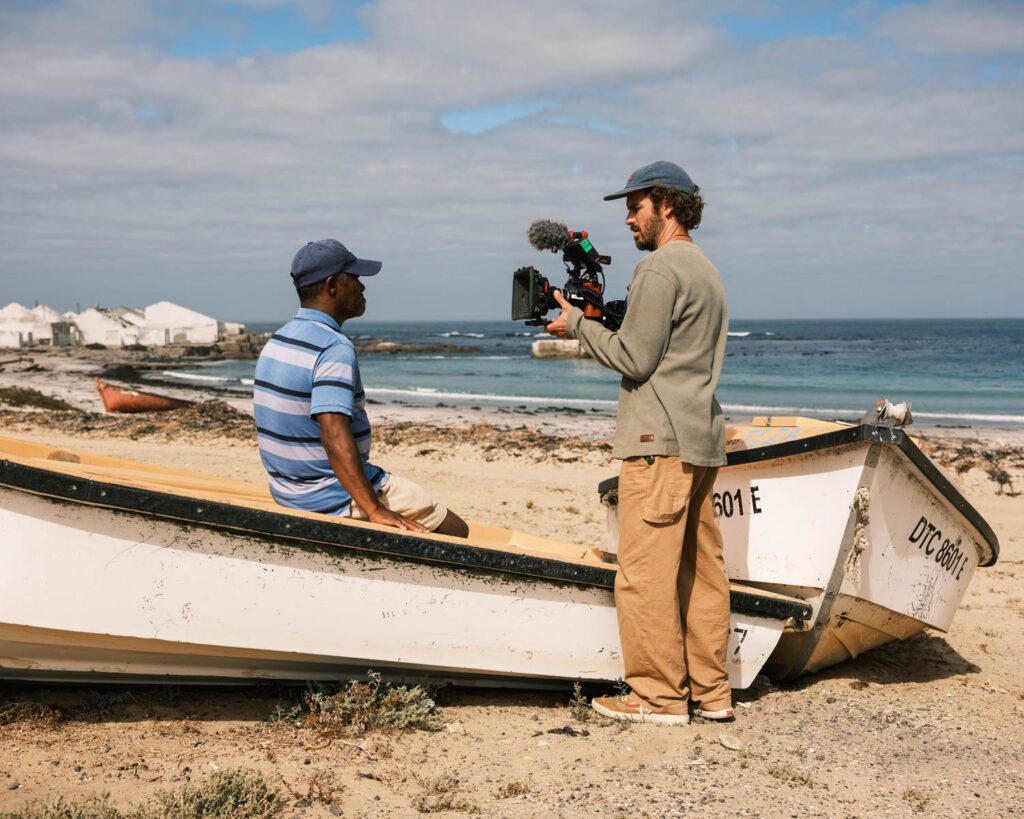
One moment I’ll never forget was finally meeting botanist Pieter van Wyk in the Richtersveld. We’d been trying to reach him for weeks without success, so we decided to simply drive there and find him. After two days on the road, we knocked on his door and he welcomed us into his world. Spending time with someone so deeply connected to that landscape reminded me how extraordinary these places really are.
Q. What do you hope audiences will take away about the West Coast after watching the film?
I hope they leave with a sense of wonder. The West Coast is one of South Africa’s greatest natural treasures, but many people know very little about it. I also hope they understand that this isn’t just a story about mining. It’s about people, heritage, biodiversity and the choices we make about the future of places like this.
Q. The South African film industry continues to gain international attention, what opportunities do you see emerging for filmmakers working in the region?
I think South Africa has an incredible advantage because we have world-class crews, extraordinary locations and, most importantly, incredible stories that haven’t yet been told. International audiences are looking for authentic voices, and I think South African filmmakers are uniquely positioned to tell stories that are both locally rooted and globally relevant.
Q. What advantages does Cape Town offer productions looking for both world-class locations and skilled talent?
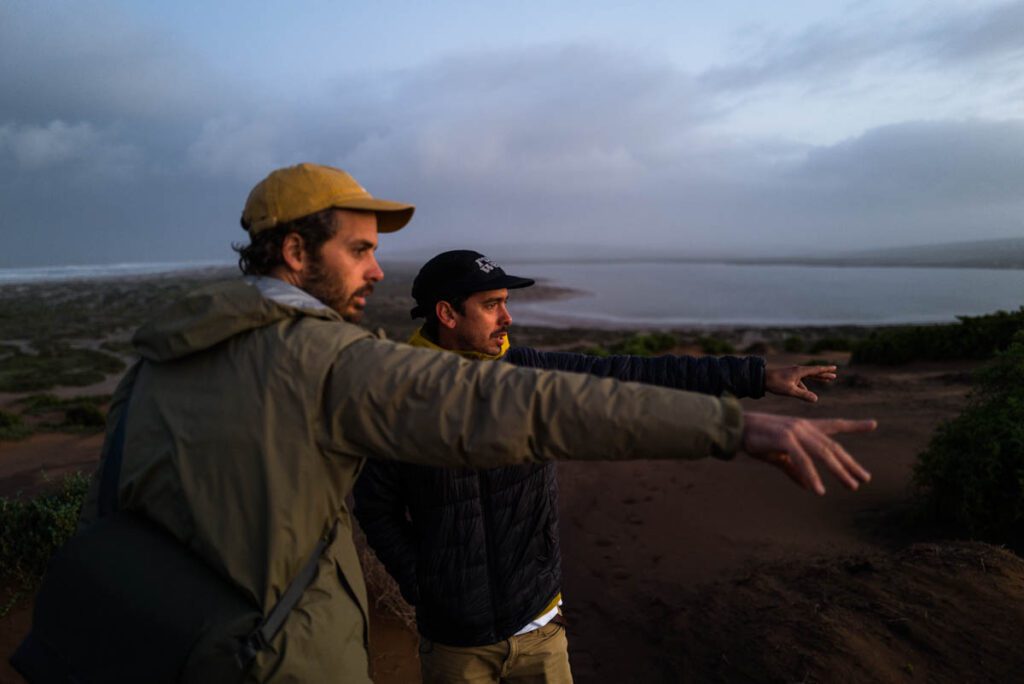
Cape Town is a remarkable place to make films. Within a few hours you can move between mountains, deserts, coastlines, forests and urban environments. On top of that, the local crews are incredibly skilled and resourceful. There’s a real culture of collaboration here, and I think that’s one of the reasons so many international productions choose to work in Cape Town.
Q. Looking ahead, what excites you most about the next chapter of your filmmaking journey?
I think what excites me most is continuing to tell stories that can genuinely make a difference. Out Of Mined has reinforced my belief that documentaries can spark conversations and bring people together around issues that matter. I want to keep making films that are visually cinematic, deeply human and leave audiences feeling inspired rather than helpless. If a film can help people see the world differently, even just a little, then I think it’s worth making.


