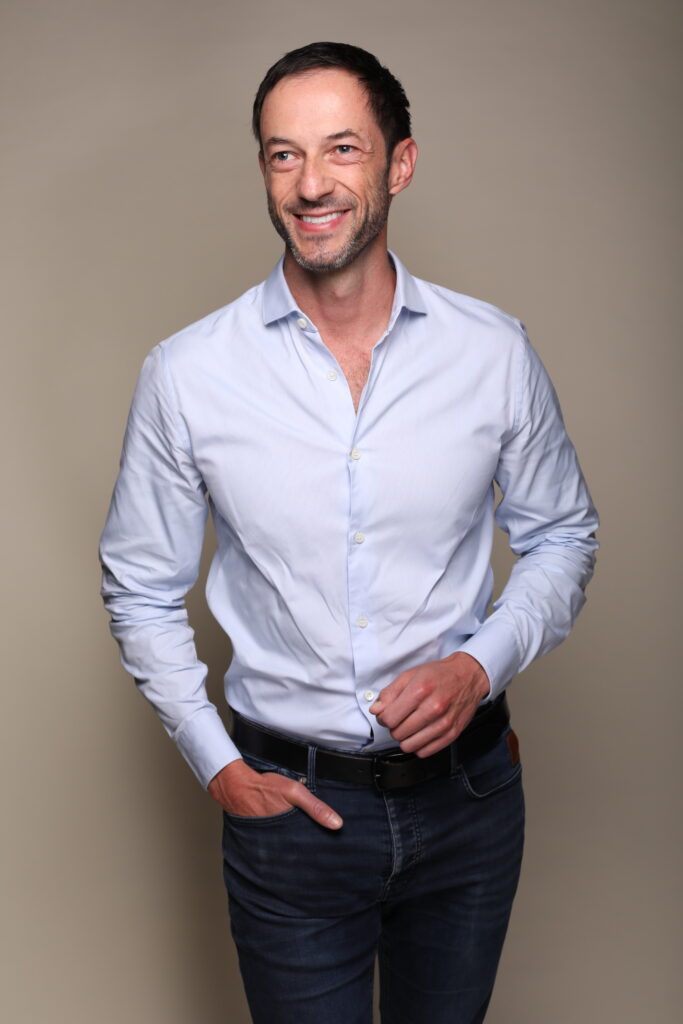
From local stories to a global audience with Waldimar Pelser
21 August 2026
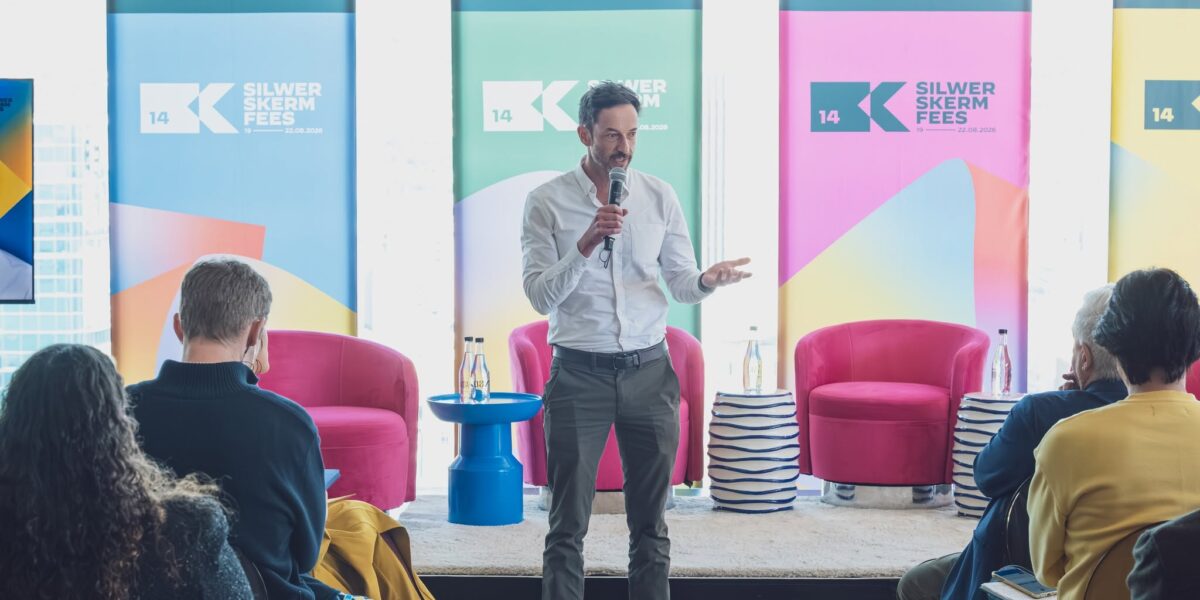
As South Africa’s film and television industry continues to evolve, the need for strong local stories, new voices and meaningful collaboration has never been more important. In this Q&A, we speak to a leading voice, Director of Premium Channels at Multichoice now known as Canal+, Waldimar Pelser about the role of Silwerskermfees in nurturing emerging talent, the importance of investing in original South African content, changing audience habits and the opportunities presented by new technology.
The conversation also looks beyond the festival to explore what makes a story resonate with audiences, why diversity matters, what broadcasters look for in the next generation of filmmakers, and how South Africa can continue building a thriving and sustainable screen industry.
Q. From your perspective, what role does Silwerskermfees play in strengthening the local film and television industry?
Our first priority is to develop new voices through the Short Film Project, which funds and mentors first-time film makers to take their first steps into the industry. Many Silwerskerm alumni have become major players in television and film in South Africa, including Christiaan Olwagen (debuts with Toevlug at Silwerskerm in 2013), the Gambit films team (Nommer 37, 2014), Die Kantoor’s comic genius Bennie Fourie (Vuil Wasgoed, 2014), and Nico Scheepers, who this year presents his latest feature film, Landmyn, and first made a short for Silwerskerm in 2017. Beyond nurturing talent, the festival brings together creators, producers, broadcasters and industry partners to collaborate, exchange ideas, and shape the future of Afrikaans storytelling.
Q. kykNET has been instrumental in supporting Afrikaans and local storytelling for many years, why is it important to continue investing in original local content?
If we do not invest in our own stories, no one else will. South Africans are more than just consumers of what the rest of the world creates. We are creators of our own narratives. We document our own cultures. We support our own creative economy. Without that commitment, we risk losing a rich storytelling tradition and one of the oldest film cultures on the African continent.
Q. As audience habits continue to evolve across television and streaming platforms, how is kykNET adapting while remaining committed to South African stories?
Our commitment to telling local stories is unwavering – and we always seek larger audiences for what we produce. Every kykNET programme is available on DStv Stream, whether viewers prefer to watch live or on demand, and we are seeing strong growth in digital viewing. Audiences increasingly expect flexibility in how they consume content, and our focus is on making compelling local stories available wherever and whenever viewers choose to engage with them.
Q. The festival brings together filmmakers, broadcasters, distributors and audiences in one place, how do these relationships help shape the future of the industry?
Collaboration is fundamental to the success of the film and television industry. No single organisation or individual can bring a project to life alone. Filmmakers, broadcasters and audiences each play a vital role in the ecosystem. We all rely on each other for ideas, talent, funding, technical expertise, and willpower.
Q. This year’s programme reflects a wide range of voices and perspectives, why is diversity in storytelling so important to the future of South African film?
Audiences will tune in if they see that they are represented in an authentic way on screen. When people do not recognise themselves, their experiences or their communities in the stories being told, they disengage.
Equally, they may disengage if they are served only familiar narratives and perspectives. Diversity is about much more than represenation. It extends to themes, genres, story-telling approaches, and points of view. A healthy industry embraces this diversity because it keeps story-telling fresh and engaging.
Q. Technology, including AI, is changing the way content is created and consumed, what opportunities do you see for innovation while protecting authentic storytelling?
Creatives around the globe are grappling with this question. The nascent approach is that everyone, in this and every other industry, is looking for ways to improve their ways of working without losing authenticity. AI can help creators work faster, enhance production processes, and make ambitious visual ideas more accessible than ever before. However, technology should serve storytelling, not replace it. AI is powerful when it makes the work which is produced better. Exploring how it is utilised in film – and how to unlock its potential in an ethical way – is still very much a work in progress which we are watching very closely.
Q. From your perspective as a broadcaster, what qualities do you look for in projects or filmmakers that have long-term potential?
We rely on our industry partners to make shows and movies which compell our audience to come back for more. We look for those who show that they are trying, as are we, to hone their understanding of who our audience is – they must take this very seriously. We look for craft, passion, good storytelling, and an intuition for how to push the boundaries while building ever stronger connections with viewers. The best industry players tend to come back with exciting new projects, building on the reputation to understand audiences and make them fall in love with characters again and again.
Q. What advice would you give emerging filmmakers who hope to build lasting careers in an increasingly competitive industry?
Read widely and watch as many films and series as you can. Walk the streets and see the real world too. Be curious about people, places and experiences that are unfamiliar, while also developing an empathetic understanding of the communities closest to you Then focus relentlessly on improving your craft. And never stop putting your work forward. The most successful filmmakers have often heard “no” many times before they heard “yes”.
Q Looking ahead, what excites you most about the future of South African film and the role Silwerskermfees will continue to play in its growth?
This nation will always find ways of telling its own stories, and that gives me tremendous confidence in the future of our film industry. It excites me to see how Silwerskerm evolves, while remaining committed to discovering the next generation of storytellers. We will continue investing in that future to ensure the festival remains relevant, innovative and entertaining.