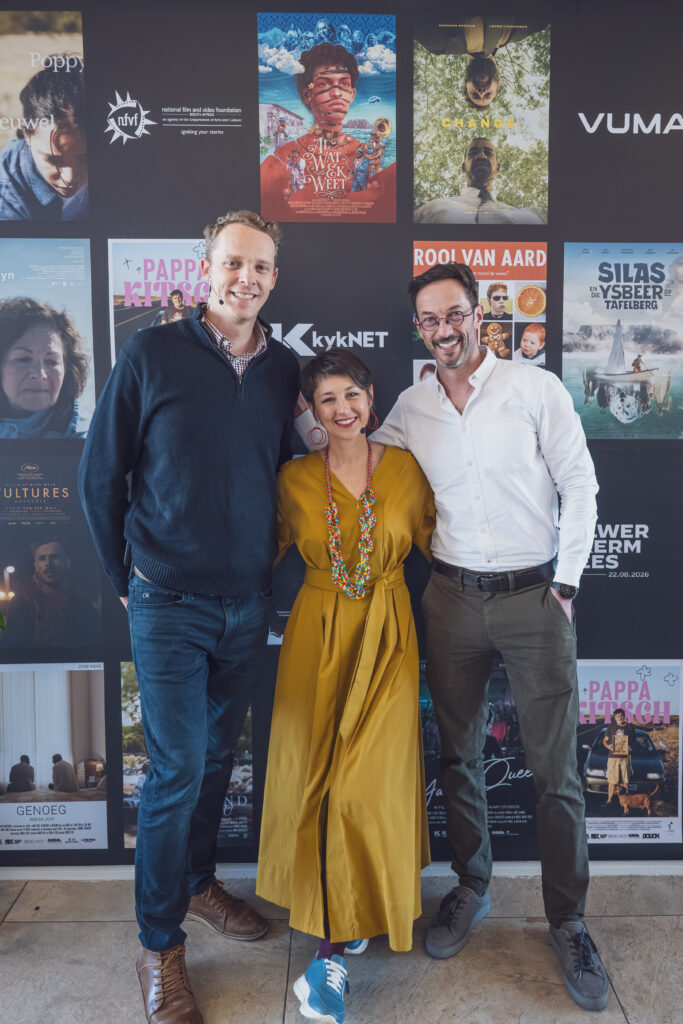
In Conversation with Tina Kruger: Celebrating 14 Years of Silwerskermfees
7 August 2026
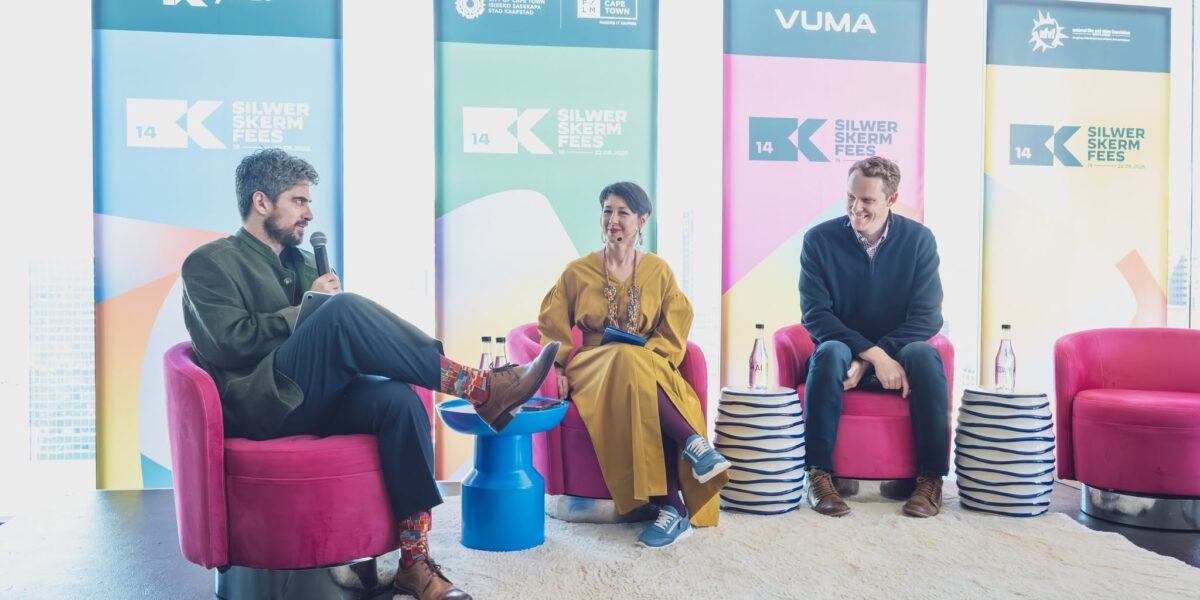
As excitement builds for Silwerskermfees 2026, the festival’s Programme Manager, Tina Kruger, offers a glimpse into what audiences can expect this year. From thought-provoking themes and industry conversations to standout screenings and special events, she shares what makes this year’s festival a celebration of South African storytelling both on and off the screen.
Q. This year’s Silwerskermfees programme brings together established names and exciting new voices. What stood out to you most while curating the 2026 lineup
And what lineup it is! What really stood out is that the exceptional voices continue to diversify. This year, Zandré Coetzer from 2025’s My f*k, Marelize! brings us Silas en die Ysbeer op Tafelberg, while Nico Scheepers from Hen brings us Landmyn. The fabulous duo Devon Delmar and Jason Jacobs wowed us with Carissa last year and now we get to see their adaptation Al wat ek weet. Besides these seasoned filmmakers, the rising voices are as astounding in variety and clarity, whilst the doccies annually gather momentum and strength. To also have Invisible from Deon Meyer and a second season of the acclaimed international co-production Spinners on our programme, feels world class.
Q. If you had to describe this year’s Silwerskermfees in three words, what would they be and why?
Brave. We don’t shy away from difficult stories. Colourful. Our spaces and faces are vibrant with joy. Vivacious. We are all brimming with enthusiasm and energy, ready to share, connect and celebrate.
Q. What trends or fresh perspectives are you seeing from this new generation of storytellers?
Every year just gets better! Lowing taboo themes coming through in a non-performative slice of life way, as in the LGBTQI Drama As ek kon kies, and creative courage shining in an experimental piece like Change, shot form the perspective of a R2-coin. The interesting personal doccie perspective in Rooi van Aard is fun and unapologetic whilst we blend handmade cinema with new technology in Silas en die Ysbeer op Tafelberg.
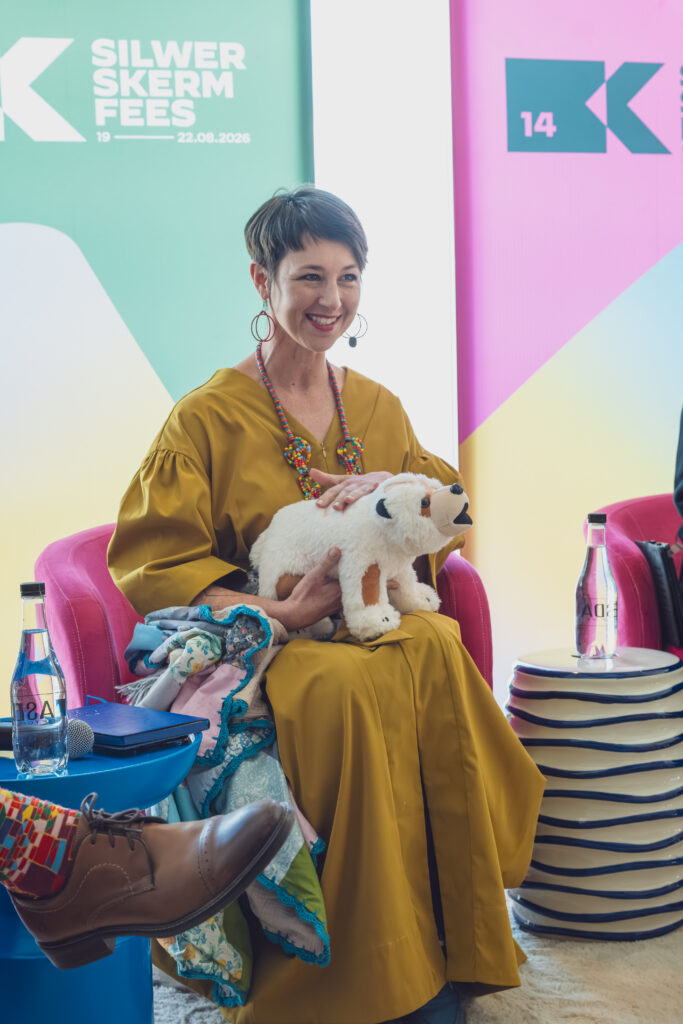
Q. This year’s programme includes feature films, documentaries, television previews, industry sessions and community screenings. How do these different elements work together to strengthen South African storytelling?
At the Silwerskermfees our goal is always to make the festival as informative, educational and memorable an experience as possible. By including various genres, and television content at a film festival, we make the circle bigger to stimulate the entire ecosystem. We aren’t afraid to talk about difficult topics, like how to build a career beyond commissioning work, or how artificial intelligence and artistic integrity can coexist. International and local specialists teach on industry relevant topics and skills, like audience design and festival circuits, and many stakeholders are offered a platform to strut their stuff and speak their mind. The content always speaks loudest and the two award ceremonies are designed to honour craftsmanship, so we can cheer each other on!
Q. Are there any themes or conversations that naturally emerged across this year’s films, even if they weren’t intentionally planned?
Thematically, we have quite a few stories dealing with grief. All three our feature films work with this in such surprising ways, and a few of the short films also meandering into this territory with grace. Coming-of-age stories intertwined with life-death-life cycles. It’s profound! On a technical level, this year the composers of original scores in the three feature films are all magicians in their own right. Music to our ears!
Q. What are you most proud of in this year’s edition?
We asked the producers to think outside the box and come up with ideas to extend the festival goers’s experience of each title beyond the cinema. We are still curious about how this “Audience design” initiative is to pan out, but I can vouch for an incredible team of creative minds planning a whole lot of parties! Looking forward to spending even more collaborative time in connection with everyone.
Q. For someone attending Silwerskermfees for the first time, what experiences or moments would you encourage them not to miss?
The feature films (Silas en die Ysbeer op Tafelberg, Landmyn & Al wat ek weet). These also repeat on the Saturday if tickets to the premieres sell out! Highly recommended also, are the pilot episodes of television dramas (Invisible & Spinners S2) and documentary series (Die Bom, Tweespalt & Meer as warm gloede). And of course the very glamorous award ceremony held at the CTICC on Saturday evening. First we watch the rugby together, then we celebrate each other, and then it’s the biggest party Cape Town has seen in a while.
Q. Beyond the red carpets and premieres, what do you hope filmmakers, industry professionals and audiences take away from this year’s festival?
My hope is that they feel inspired, encouraged and refreshed to do what they love and be reminded we’re in this together.
Q. Why is it so important that local stories continue to be created, celebrated and shared on platforms like Silwerskermfees?
Stories are medicine. It’s ancient and it stirs us deeper than we can understand with our conscious mind. Coupled with an in-person experience, shared with our peers and fellow storytellers, in a safe and vibrant setting, is invaluable.
Q. What impact do you hope this year’s Silwerskermfees will have on South Africa’s film and television industry?
I hope that the festival will remind the industry that content is powerful and worth investing our money and energy in, that the connections made will spark joy and momentum, that the stories will touch festival goers across perceived barriers and that we will go forth and do it all again next year!