Beyond the screen with Sunshine Cinema
16 January 2026

What happens to powerful African films after festivals and cinemas? This question sparked the creation of Sunshine Cinema.
Sunshine Cinema is a solar-powered mobile cinema network that uses film as a tool for social change while creating youth employment. Since 2017, the organisation has reached thousands of people across South Africa through free community screenings and facilitated dialogue. “Beyond audience numbers, our biggest impact lies in capacity building—training over 100 young people as Impact Facilitators and media entrepreneurs through the Spark Impact Programme. These facilitators go on to host screenings, earn income through media work, and become trusted convenors of dialogue in their communities.” Said Sydelle Willow Smith, co-founder of Sunshine Cinema.
In recent years, cinemas have become increasingly inaccessible to local communities, widening the gap between films being made and the audiences able to watch them. Sunshine Cinema was established to bridge this divide by bringing films directly into communities and pairing screenings with facilitated conversations.
For Sunshine Cinema, accessibility goes beyond ticket prices; it is also about who gets to shape the cinematic experience itself.
“Community-driven cinema means that communities are not just audiences — they are participants, hosts, and leaders in the process. In practice, this looks like working with local youth, schools, NGOs, and community leaders to select films, host screenings, and guide post-film discussions in local languages. It also means training young people from those same communities to become Impact Facilitators, so the conversations are led by people who understand the local context, challenges, and lived realities,” said Sydelle Willow Smith.
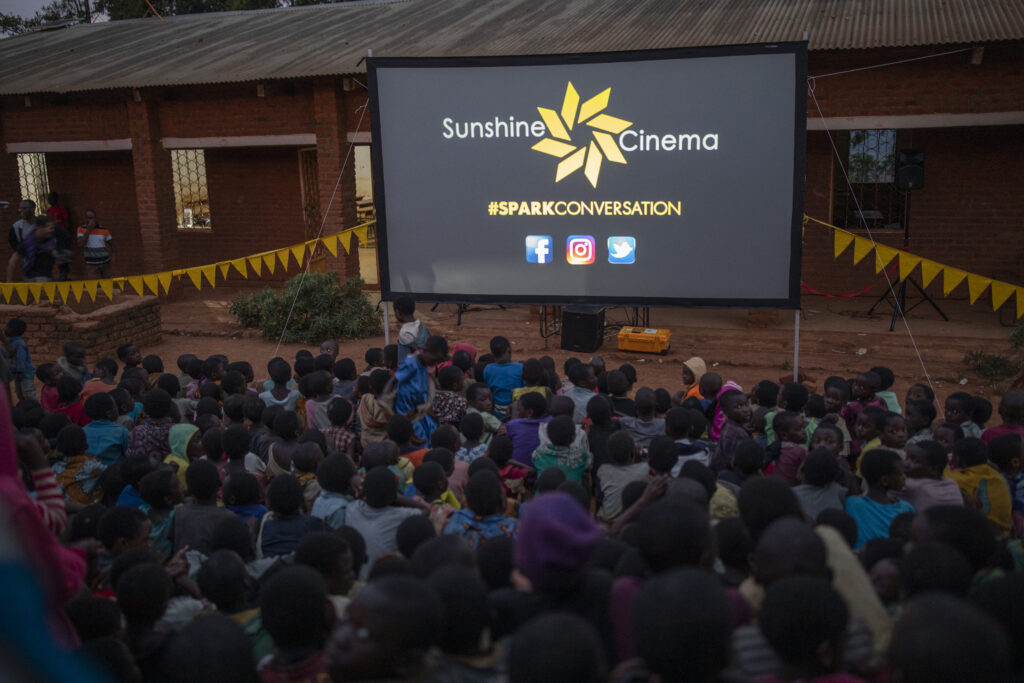
A defining moment for Sunshine Cinema came after film screenings, where conversations often proved to be more powerful than the films themselves. According to the team, audiences began engaging in open public discussions around issues such as gender-based violence, mental health, climate change, and other socio-economic challenges. “When community members began returning to screenings with friends, asking for follow-up discussions, and connecting films to real local action, it became clear that cinema could be a catalyst for dialogue, trust, and behaviour change.” said Sydelle Willow Smith.
The organisation places particular emphasis on films that reflect lived African realities—stories grounded in community experience and marked by honesty and complexity. These films often explore themes such as social justice, youth identity, environmental conservation, mental health, gender equality, and resilience, encouraging reflection and ongoing dialogue long after the film has ended.
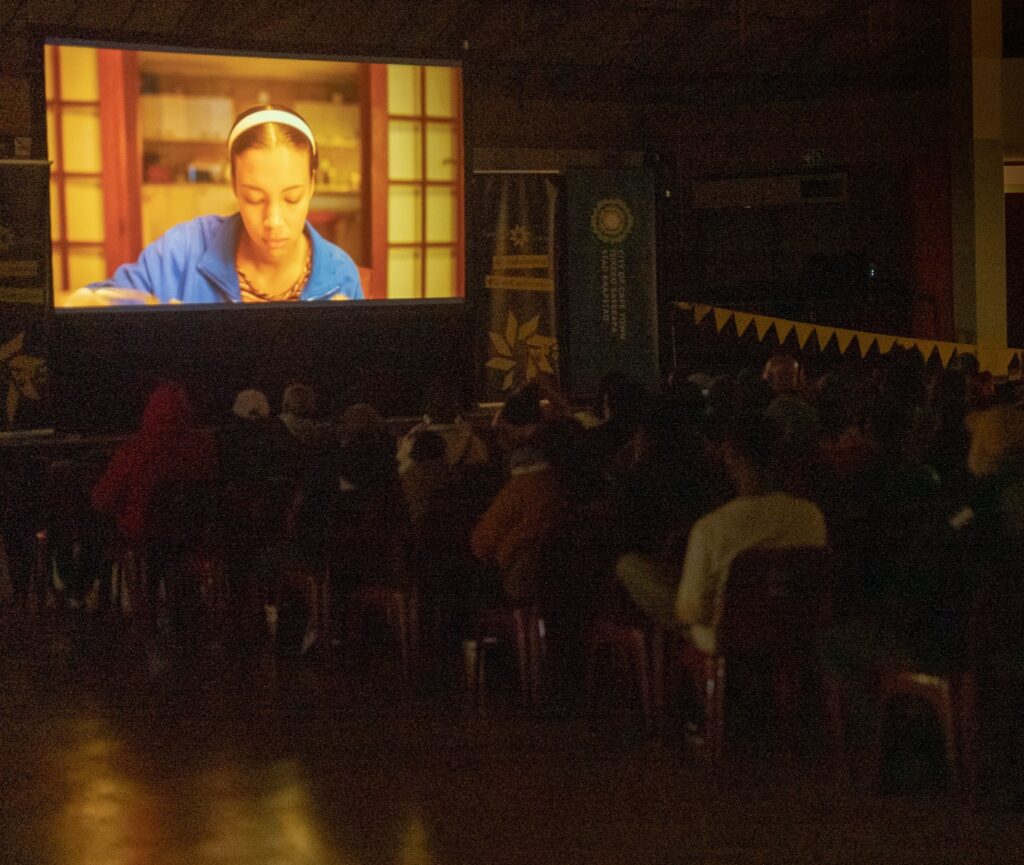
For the team, African and South African storytelling is more than a focus area. “African and South African storytelling sits at the heart of everything we do. Representation matters—not only in who is on screen, but in whose stories are valued. Audiences engage more deeply when they see familiar languages, landscapes, and challenges reflected at them. Our programming prioritises African-made films, particularly those that are rarely accessible outside of festivals or urban centres” said Sydelle Willow Smith.
While entertainment and social impact are often viewed as difficult to balance, Sunshine Cinema does not see them as separate. The organisation understands them as deeply interconnected. Films are selected for their ability to captivate audiences while also offering substance that invites dialogue. Through thoughtful facilitation, even more entertainment-driven titles are transformed into opportunities for deeper engagement when supported by the right context and guiding questions.

Partnerships have also played a crucial role in strengthening Sunshine Cinema’s impact and sustainability. “Our collaboration with the University of Cape Town through the Film Impact Screening Facilitator course has been especially meaningful, as it provides formal training alongside practical experience. We’re also grateful for partnerships with organisations such as Disney Africa, National Geographic Society, Perspective Fund, IRIS, FirstRand Foundation, Jobs Fund, Canon South Africa, Investec, and local community-based organisations who help ground our work in real needs and ensure sustainability.”
When asked whether screenings translate into real-world impact, the organisation points to clear and growing outcomes within the communities it serves. “Yes. We’ve seen increased community engagement around sensitive topics, stronger partnerships between local organisations, and young facilitators gaining confidence, skills and income. In some communities, screenings have led to referrals to support services, new youth-led initiatives and follow-up workshops. Often, the impact is cumulative, small shifts in awareness that build over time.”
As Sunshine Cinema continues to expand its reach, its work demonstrates the enduring power of cinema beyond traditional spaces. By centring communities, nurturing young facilitators, and prioritising African stories, the organisation is not only changing how films are seen, but how they are experienced, transforming screenings into shared spaces for dialogue, connection, and lasting social change.


