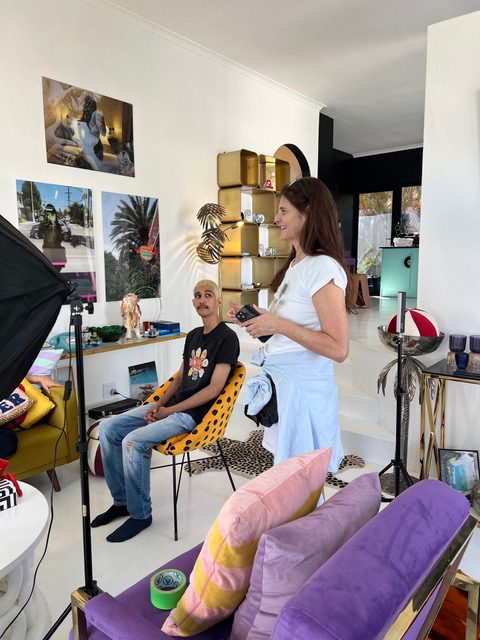
Bonnie Rodini on talent and building world class performances
27 March 2026
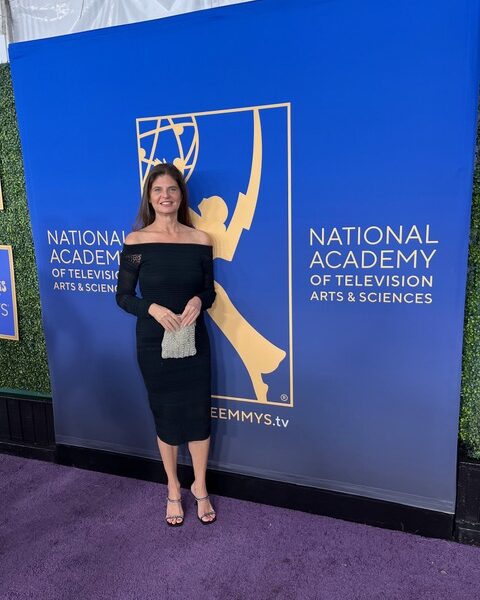
Casting director Bonnie Rodini has carved out a distinctive space in the casting world. Her journey began with an unexpected opportunity on Chronicle, a project that quickly proved to be a turning point and set the foundation for a dynamic and ever-evolving career. Known for her commitment to truthful performances and her collaborative approach, she has become a strong advocate for actors, consistently championing new and emerging talent.
Q. Can you tell us about your journey into casting and what first drew you to the industry?
I was approached by Film Afrika to cast a film called Chronicle. But I said I wasn’t a casting director and wasn’t equipped to be one. They replied but you cast your own film The Story of an African farm we are sure you can do it! So before I knew it I was casting Chronicle (Which turned out to be a block buster) on a home video camera at the CT film studios! And haven’t looked back since.
Q. As a casting director, what does a typical day look like for you?
Each and every day is so different, I don’t think I have ever experienced the same day twice in my life. But it will traditionally start with a call from a production company checking my availability for a project, followed by reading a script after signing an NDA. Once the casting process starts, I would send out a casting brief to agents, receive their submissions and select who I would like to see. I will then make a short list of actors who I think are suitable for the role and submit to the client. The client will then traditionally create a short list for call backs in person or if they are still overseas via zoom. Once they have chosen the actor I will make offers and move into contracts and hand over to production.
Q. From your perspective, what sets casting for commercials apart from film and television projects?
I have never cast commercials and have actively chosen not to do them as I like dialogue driven pieces so that space does not interest me. From my perspective commercials are generally not with dialogue and is driven by the right look for the brand.
Q. When reviewing talent, what are the key qualities that immediately stand out to you?
That I believe the actor knows what they are saying and who they are talking to and the words fall naturally from them and not directed in their heads and that they haven’t pre decided how to deliver a line. Each take should be different and not mechanical.
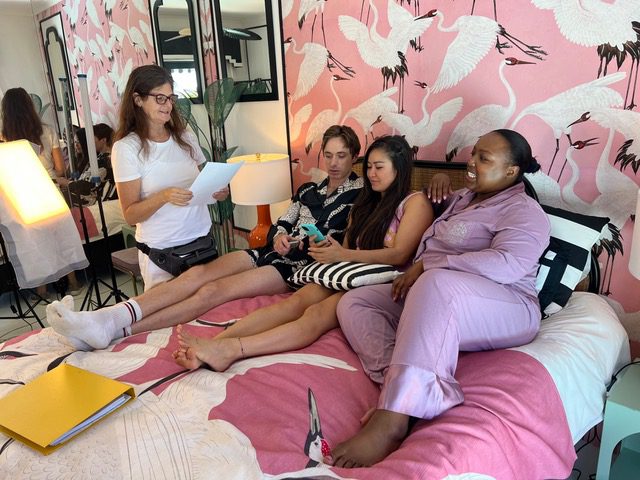
Q. The industry has shifted significantly in recent years, how have self-tapes and digital submissions changed your casting process?
Self Tapes have led to less in person studio castings which has its pros and cons. Some actors prefer doing a self tape at their leisure at home with less pressure and are able to do multiple takes until they are satisfied and it doesn’t require them driving to a studio. Other actors prefer in person where they can get direction from the casting director but will have less time to do multiple takes. Self Tapes do mean I am able to see many more actors for one role as it requires less time for me. So for the first round I do like self tapes.
Q. What’s one common misconception people often have about casting directors or the casting process?
That we have the final decision and that we are not on their side. We want each and every actor to succeed and do their best and we are rooting for them!
Q. Looking back on your career, is there a particular casting moment or project that stands out as especially memorable?
It always surprises me that each person involved in the casting process can always have such different responses to actors and performances. But the most memorable has to be One Piece. What an unbelievable project to be a part of and having the honour of being nominated for an Emmy for it last year.
Q. What advice would you give to actors hoping to break into film and the commercial space?
Understand that this is a career you have little control over and you need strength not to take each casting you don’t get as rejection. Have other hobbies or work on other parts of the industry to keep you upbeat and positive. When not casting I am either writing or producing and directing my own projects or teaching acting workshop and I love that balance.
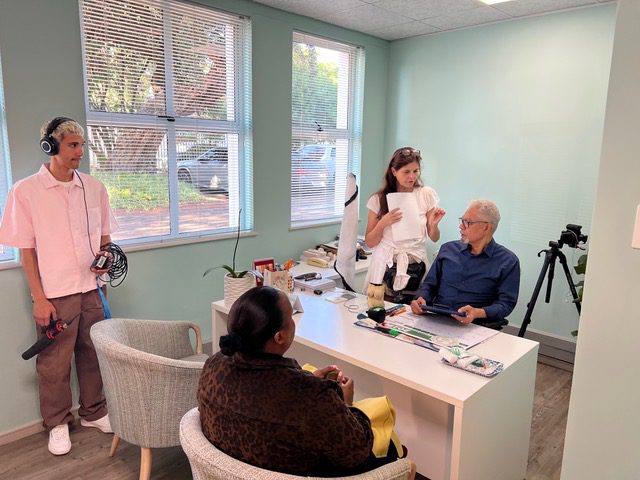
Q. How important is authenticity in casting today, and how do you identify it during auditions?
Authenticity is key. I know if I believe someone and what they are saying in the first 20 seconds of their casting.
Q. From your experience, what makes a self-tape truly stand out from the rest?
When an actor makes a strong choice. They might not know the exact circumstances of the scene but if they make a strong choice it doesn’t matter if it is the wrong choice. It will be compelling and they will get a call back.
Q. How do you approach casting differently for brand-driven campaigns versus more narrative-led commercials and the same for film?
Generally for film the same approach is taken but understanding the genre and tone of the film from the client is key.
Q. Are there any trends you’re currently noticing in casting, either locally or globally?
There is less work and we need to keep being proactive, think out the box and create our own work.
Q. What excites you most about the future of casting within South Africa’s film and advertising industry?
That our talent pool is fantastic and continues to grow. Every day I am discovery new talent and I love that. With One piece we have shown the world our actors can carry lead roles, and I am a very strong advocate for our talent.
Q. Outside of your work in casting, what inspires your creativity?
Human nature. I love observing people and how they react to different things and what drives them. I spontaneously am always looking for stories and love trying to understand the human condition.