From theatre to the big screen with Andrea Frankson-Titus
30 January 2026

Andrea Frankson-Titus is a formidable presence in South African film, television and theatre. An actor and producer whose work is defined by emotional depth, integrity and purposeful storytelling. From her formative years on stage to her performances on screen, and through her work with Penguin Films, Titus has consistently championed stories that reflect lived realities with honesty and care. In this Q&A, she reflects on the moments that shaped her career, the responsibility of representation, and why creating space for women in the industry remains central to her work.
Q. You’ve built a career that spans theatre, film and television. Looking back, what moments or roles do you feel most shaped you as an actor and storyteller?
Theatre was my foundation and remains my greatest teacher. Those early years on stage taught me discipline, vulnerability and respect for story above ego. The role that most stands out was Blood Brothers the musical as it was my professional debut and I played such a intricate character whom audiences met as a child, then transformed into a teenager and finally stood before them as an adult. It was a role that demanded one be rooted in the essence of the character in order to transform believably in front of audiences each night. When transitioning to film/television it sharpened my sense of nuance and restraint. But more than any single role or position held on set, it was working across different formats and communities that shaped me—being in rooms where stories mattered, where audiences saw themselves reflected back at them, and where storytelling felt purposeful and authentic.
Q. What draws you to a role, and how do you decide which stories are worth saying yes to?
I’m drawn to stories that ask questions rather than offer easy answers. I look for emotional truth, complexity and intention—stories that say something about who we are and where we are right now. At this stage, it’s also about impact: will this story resonate, challenge, comfort or shift perspective? If it does at least one of those things honestly, I’m interested.
Q. How have you seen the local film and TV landscape evolve over the years?
The growth/interest has been remarkable. There’s far more confidence in our own voices now, and a willingness to centre local stories without diluting them. More opportunities and exposure to large scale production, more platforms and opportunities for budding film makers and an influx of talent both creative and technically. That said, sustainability remains a challenge—we’re evolving creatively faster than our structures sometimes allow.
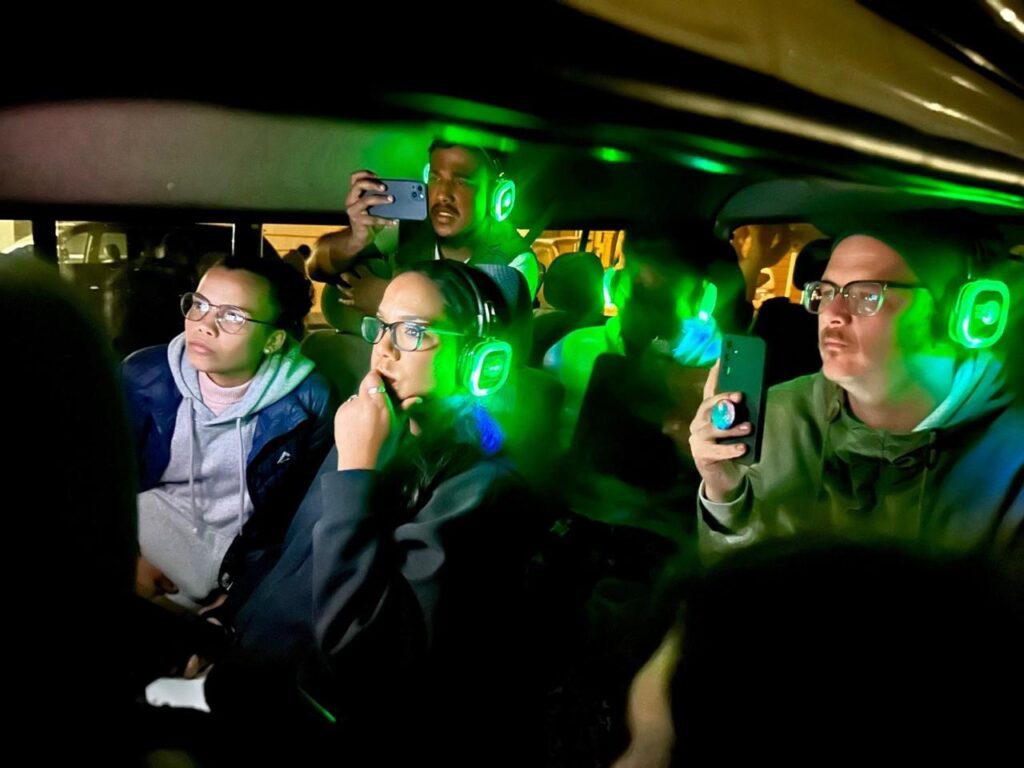
Q. Penguin Films has become known for telling authentic, socially resonant stories. What is the vision behind the company, and what kinds of narratives are you most passionate about producing?
Our vision is to create work that entertains widely while still feeling rooted, truthful and socially aware. I’m especially passionate about narratives that centre everyday South Africans, against an interesting and sometimes unfamiliar backdrops—stories about family, resilience, identity and belonging—told with empathy and depth.
Q. What responsibility do you feel storytellers and production companies have when representing South African lives and experiences on screen?
We carry a deep responsibility to be honest, considered and respectful. Representation isn’t just about visibility; it’s about accuracy, dignity and context. Our stories shape how we see ourselves and how the world sees us. That means doing the work—listening, researching, collaborating—and avoiding shortcuts that reduce lived experiences.
Q. What do you think are the biggest opportunities and obstacles facing the industry right now?
The biggest opportunity is our talent—on and off screen—and the global appetite for authentic African stories. The biggest obstacles remain funding models, skills retention and long-term sustainability. If we can better support development, protect creatives, and build stronger pipelines, the industry’s potential is enormous.
Q. You’ve consistently championed women both in front of and behind the camera. Why is it important to you to create space for women in the industry?
For me, it’s about building an industry that reflects the full range of voices and experiences in our society. When women are meaningfully included, collaboration becomes richer and storytelling more layered. Creating space is about fairness, opportunity and ensuring that talent—wherever it comes from—has room to grow and lead.
Q. How can production companies and creatives actively support gender equity rather than just speaking about it?
By hiring with intention, mentoring consistently, and creating pathways for growth—not just entry.
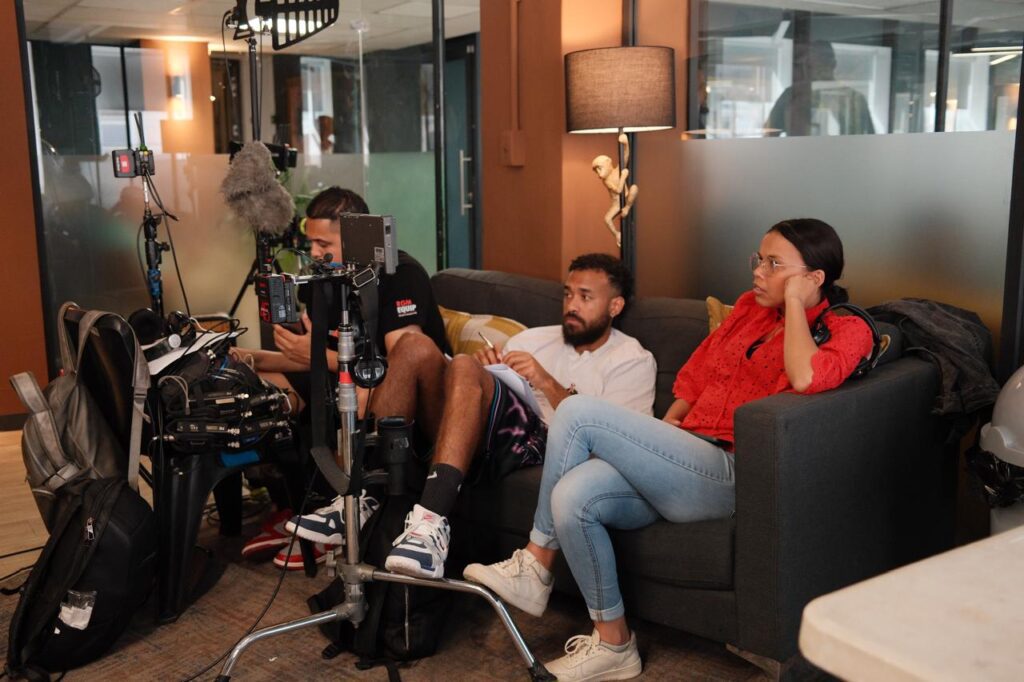
Q. If you could change one thing about the industry for future generations of women, what would it be?
I would normalise women’s leadership so completely that it’s no longer remarkable. There is space for us, without having to justify it.
Q. What message would you like to share with young women and girls who dream of working in film and television but aren’t sure where to begin?
Start where you are, with what you have. Learn relentlessly, say yes to growth, and don’t wait for permission to take yourself seriously. Your voice matters—even before you’re certain of it. Find your people, stay curious, and trust that there’s room for you in this industry.
Q. Are there any productions you may appear in or are releasing this year?
We do have new projects being released this year as well as some exciting stuff which is ongoing and in development but I cannot share too much about those at this time.


