Rudi van As, from the BBC to CEO at Film Afrika Entertainment
6 March 2026
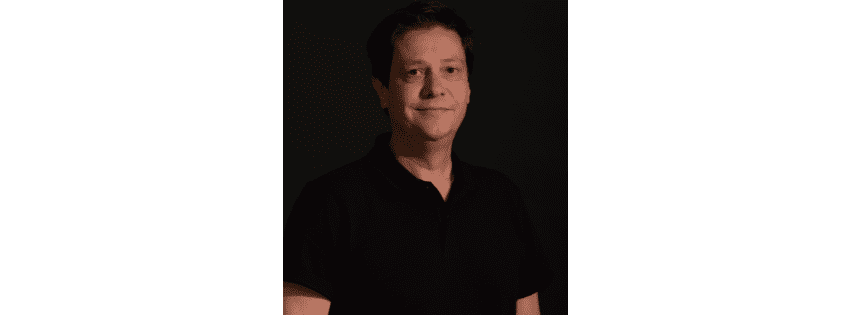
Q. Can you tell us about your journey into the film industry and what led you to Film Afrika?
I’ve always loved films, any genre. My first job was at the BBC in London. It was an incredible experience and I learnt a great deal about film and television production. After spending 10 years in the UK film industry, it was time to return to my homeland, South Africa.
I joined Film Afrika in 2009. Film Afrika stood out to me because its vision was beyond individual projects. There was a genuine focus on building something sustainable in the form of relationships, training, systems and global confidence in South Africa as a production destination. That long-term view felt meaningful and I wished to be part of this vision.
Q. How has the South African film industry evolved since you first started, particularly in terms of international productions?
When I started, international productions were smaller, straight to DVD or movie of the week . Now we’re seeing large-scale, multi-season series choosing South Africa. That changes the dynamic. It allows crews to deepen their experience and suppliers to grow in sophistication.
We’ve matured as an industry. The expectation now is that we deliver at a global standard…and we do!
Q. What makes South Africa, and specifically Cape Town, such an attractive destination for global film and television projects?
Cape Town’s landscapes are obviously a major draw with its ability to double for different parts of the world.
But what keeps productions here is the people.
There is depth of skill across all departments. The crew’s commitment, can-do attitude and adaptability is globally renowned and respected.
There’s a massive pride in the work and that’s something you can’t manufacture.
Q. From your perspective, what are the biggest opportunities and biggest challenges currently facing the local industry?
The opportunity lies in consistency. If we can position South Africa as a reliable long-term base for premium content, we build real stability in the ecosystem. Multi-season productions change careers, strengthen suppliers, build infrastructure and raise standards across the board.
The challenge is maintaining certainty, particularly around policy and incentives and protecting the flexibility that makes our industry function. Film is project-based by nature. If that structure is disrupted, it affects everything.
Q. How important are international co-productions to sustaining and growing the local production ecosystem?
Co-productions are vital.
They bring scale and complexity that accelerate growth. They create opportunities for skills transfer and exposure to global standards. And when structured well, they don’t compete with local storytelling, they strengthen the infrastructure that supports it.
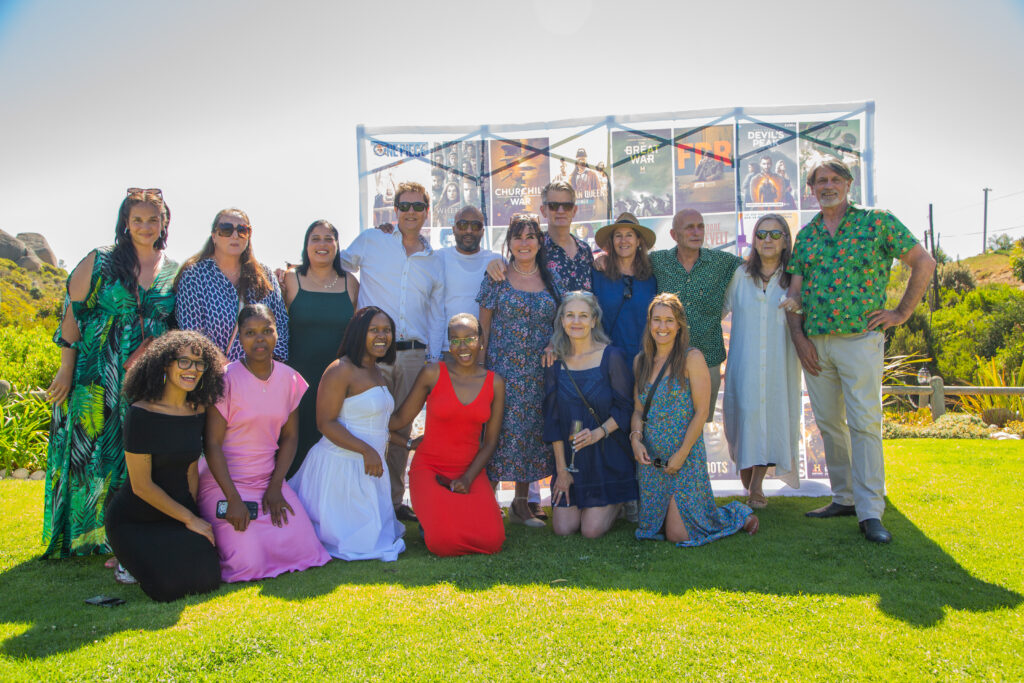
Q. Film Afrika played a key role in bringing Netflix’s One Piece to life in South Africa. How did that project first come about?
One Piece, based on Eiichiro Oda’s globally successful manga, required significant scale and world-building. When Netflix and Tomorrow Studios were evaluating production destinations, South Africa’s experience with complex builds and large scale productions made it a strong option.
A match made in heaven, a very ambitious show meeting a local industry capable of supporting that ambition.
Q. What were some of the unique production demands of a series of that scale?
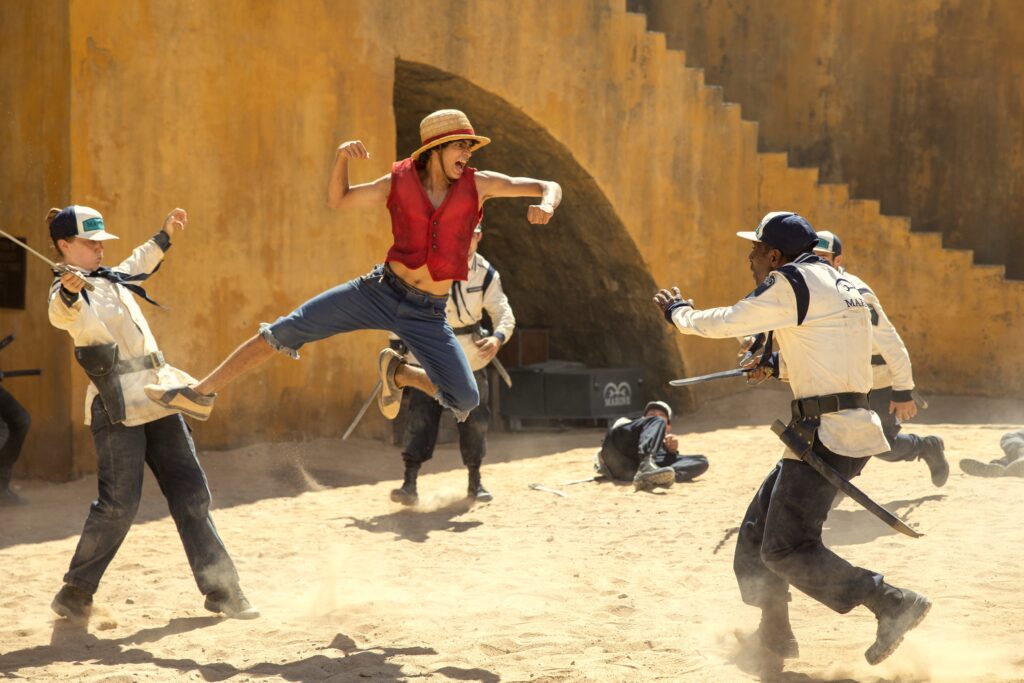
The series is expansive in scope, extensive sets, stunt work, prosthetics, marine coordination and visual effects integration. Each episode has a different home, this means new sets, locations and logistical challenges. Each episode is effectively the equivalent of a feature film.
Productions like this require careful planning and execution. It’s not just about building something impressive; it’s about ensuring every department moves in sync. The level of coordination and clear communication is vital to the success of the show.
Q. The world-building in One Piece is massive. What did it take logistically to build those sets and create that universe locally?
Translating a globally loved manga into live action required detailed, large-scale set construction, including ships and highly stylised environments, built locally.
It demanded collaboration between art department, construction, set dressing and visual effects to ensure that the physical builds could support the creative vision. It was a clear demonstration of the craftsmanship and capability which exists within South Africa.
Q. How did local crew and talent rise to meet the scale and technical demands of the production?
South African crews are used to working on complex projects, and One Piece allowed that expertise to excel and grow at a sustained scale.
Departments delivered work that meets global expectations and it created space for many professionals to expand their experience and confidence in high-end episodic production.

Q. What was the international response to filming One Piece in South Africa?
The first season performed exceptionally well on Netflix and generated significant global attention.
From a production standpoint, delivering a show of that visibility successfully reinforced confidence in South Africa’s ability to host large-scale, globally recognised IP.
Q. What did the success of One Piece mean for South Africa’s reputation as a host for premium streaming content?
It helps shift perception.
When a production of the scale and visibility of One Piece is delivered locally, it signals that South Africa isn’t just capable but that we are competitive at the highest level. That kind of trust compounds over time.
Q. After working on so many large-scale productions, what project stands out as particularly transformative for you personally?
The projects that stay with you are the ones that build more than just a series, they build local eco-systems, people and supplier chains.
Multi-season productions are especially transformative because they allow teams to grow together. You see careers develop. You see systems improve and scale. That kind of impact is deeply rewarding.
It is difficult to name a single project, but personal highlights include Black Sails, Raised By Wolves and One Piece.
Q. What still excites you about the film industry today?
What excites me most is that South Africa is contributing to that landscape — not just as a backdrop, but as a meaningful production partner.
It is a tough industry, but what motivates me is to witness the commitment of our teams, a diverse group of people from all walks of life working together as a team, with excellence being the common goal.
Q. How important is mentorship and training in sustaining the industry long term?
It is critical.
Film is freelance and project-based, so knowledge doesn’t automatically transfer. If we want longevity, we have to be intentional about mentorship and training. Investing in people is what ensures the next generation is ready when opportunity comes. Film Afrika launched the SA Film Academy (SAFA) back in 2007. Today, the academy, in partnership with international projects, provides mentorship and training to around 200 new entrants per annum. This partnership has resulted in approximately 600 SAFA alumni working in the industry.
Q. What advice would you give to emerging producers or production professionals hoping to work on large international projects?
Be patient and pay attention to detail.
Large productions run on trust. If you’re reliable, solution-focused and understand both the creative and operational pressures, you build a reputation that carries you forward.
Q. If you could position Cape Town with one message to global studios right now, what would it be?
Cape Town is the world’s most versatile backlot — delivering Hollywood-scale production value, diverse global locations, and world-class crews with unmatched efficiency.


