The Power of Documentary Storytelling
5 June 2026
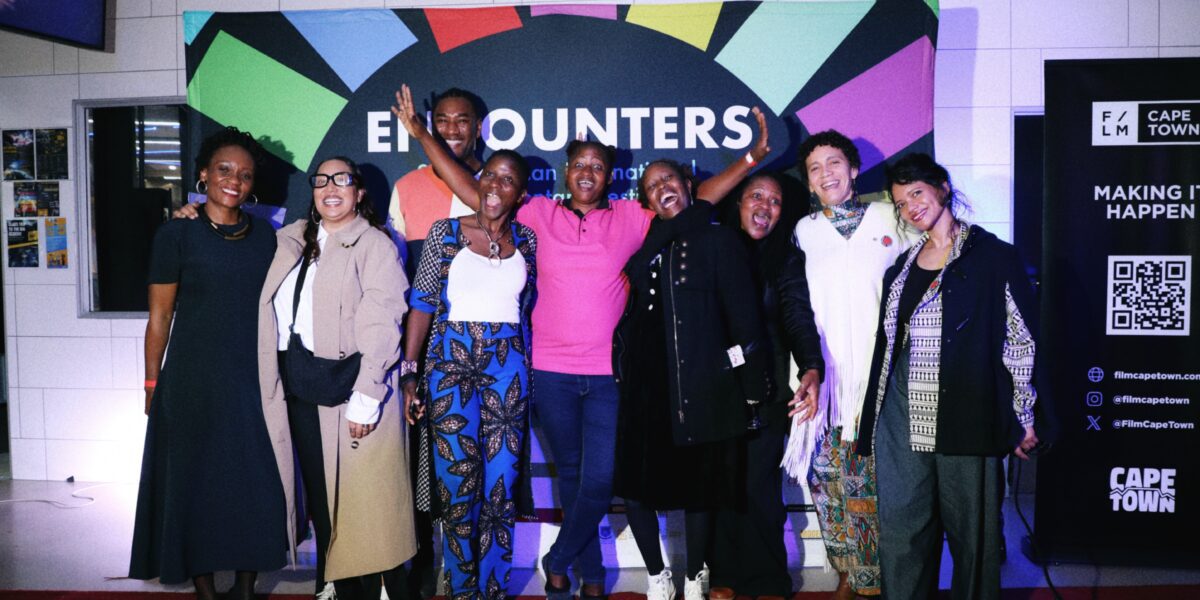
Documentary filmmaking continues to play a vital role in society, offering a powerful lens through which audiences can engage with the past, present and future. Documentaries create space for reflection, dialogue, and deeper understanding through compelling storytelling and lived experiences. Festivals like Encounters not only showcase these important works but also foster meaningful discussions, connecting audiences to stories that challenge perspectives, inspire empathy, and encourage active engagement with the world around them.
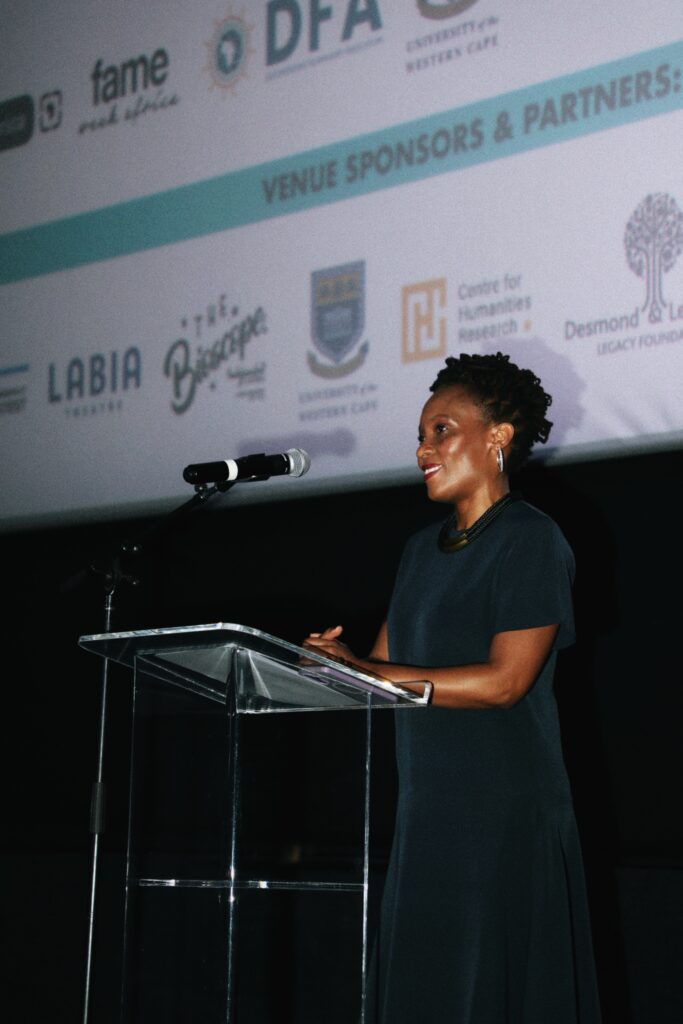
Encounters Festival Director Mandisa Zitha takes us through the impact and significance of documentary storytelling in today’s cultural landscape.
Q. What role do you think documentary filmmaking plays in shaping conversations in South Africa today?
Documentaries provide an important space for reflection and engagement on issues that affect South African audiences. Local filmmakers have a rich tradition of uncovering hidden stories, examining the legacies of our past, and exploring contemporary social challenges in ways that humanise the experiences of marginalised communities. Festivals such as Encounters create opportunities not only to watch films, but also to participate in facilitated discussions where diverse perspectives can be shared. Documentary storytelling helps audiences gain a deeper understanding of complex issues and fosters empathy in the process.
Q. Over the years, how have you seen audiences’ relationship with documentaries evolve?
There has been a growing appetite for documentaries, driven in part by the increased availability of the genre on streaming services, YouTube, and other video-on-demand platforms. Audiences are becoming more discerning about the information they consume through mainstream media and are seeking more nuanced explorations of local and global issues. There is also a strong interest in understanding the human stories behind the headlines. At the same time, audiences are increasingly recognising the artistic qualities of documentary filmmaking, attracting a growing community of cinephiles who appreciate the genre’s creativity and craft.
Q. What makes this year’s edition of the festival particularly exciting or different?
Each year, we strive to curate a programme that reflects artistic excellence while presenting some of the most compelling documentaries of the moment. We pay close attention to global developments and contemporary themes, while ensuring that the stories resonate with diverse South African audiences. This year, we are particularly excited to showcase a number of award-winning festival favourites, Oscar contenders, and an exceptional selection of short documentaries from around the world. Audiences can also look forward to remarkable films about Africa by both African filmmakers and leading international documentarians.
Q. How does the festival balance showcasing local South African stories alongside international productions?
It is very important to us that South African documentaries are presented on equal footing with international productions. Encounters is a Pan-African festival, and our mandate is to champion African voices, support emerging talent, and highlight stories and issues affecting the continent. Our programme offers a balanced mix of African and international films, creating opportunities for audiences to engage with both local and global perspectives. We also recognise excellence across the programme through awards that honour both African and international filmmakers.
Q. What are some of the biggest challenges currently facing documentary filmmakers in Africa?
One of the most significant challenges facing African documentary filmmakers is access to funding. Global financing structures have shifted considerably in recent years, making it increasingly competitive to secure support for documentary projects. Across the continent, filmmakers also face limitations in distribution infrastructure, which affects how films reach audiences. There are relatively few independent cinemas, and opportunities for African documentaries on broadcast and streaming platforms remain limited. As a result, many exceptional films struggle to find the visibility and audiences they deserve.
Q. Are there any themes or trends emerging in this year’s film selections that audiences should look out for?
This year, audiences can expect award-winning festival favourites, films that push the creative boundaries of documentary storytelling, and deeply personal human stories that have the power to shift perspectives.
To quote from my opening address, which captures the spirit of this year’s programme:
“This year, we hold each other.
With open hands and courageous hearts, Encounters brings stories that see, soften, and stay. Stories that ask us to look closer, listen deeper, and love harder.”
These words have guided our curation. The films in this year’s programme remind us that care is an act of courage, that empathy is not weakness, and that listening deeply to one another remains one of the most radical things we can do.
Throughout the festival, audiences will encounter stories exploring identity, memory, justice, resilience, creativity, belonging, and human connection—stories that challenge us emotionally, intellectually, socially, and politically.
Q. How important is Cape Town as a hub for documentary filmmaking and creative production?
Cape Town has long been a centre for documentary filmmaking in South Africa, with a vibrant community of filmmakers, producers, editors, and creatives based in the city. It is therefore fitting that Encounters has its home here, where our year-round programmes are supported through strong partnerships and active participation from the sector. The city benefits from a network of film schools, post-production facilities, cultural institutions, and civil society organisations that help nurture and sustain documentary production and creative expression.
Q. What advice would you give to young or emerging filmmakers hoping to break into the documentary space?
My first piece of advice is to attend film festivals and industry events whenever possible. These spaces provide invaluable opportunities to engage with films, learn from established filmmakers, and build professional networks. They also help emerging filmmakers feel connected to a wider creative community.
My second piece of advice is to find a mentor. Having someone who can offer guidance, share industry knowledge, and help navigate the challenges of a filmmaking career can make an enormous difference, particularly in the early stages.
Q. Can you share a memorable moment from the festival’s history that reminded you why platforms like this matter?
One of my earliest memories is opening the festival with A Pair of Boots and a Bicycle, directed by Vincent Moloi. The documentary tells the story of Black South African veterans who served during World War II and were rewarded with little more than a pair of boots and a bicycle for their service.
Vincent invited several of the veterans to attend the screening, creating a profoundly moving moment for audiences and filmmakers alike. It perfectly captured what Encounters seeks to do: bring overlooked stories into public view, honour lived experiences, and create meaningful human connections through film.
Q. What do you hope audiences walk away with after attending this year’s festival?
I hope audiences leave having discovered extraordinary documentaries, encountered new perspectives, and engaged with stories that challenge, inspire, and stay with them long after the credits roll. I also hope they enjoy the opportunity to meet filmmakers from around the world, participate in discussions, and experience the unique sense of connection that documentary cinema can create.