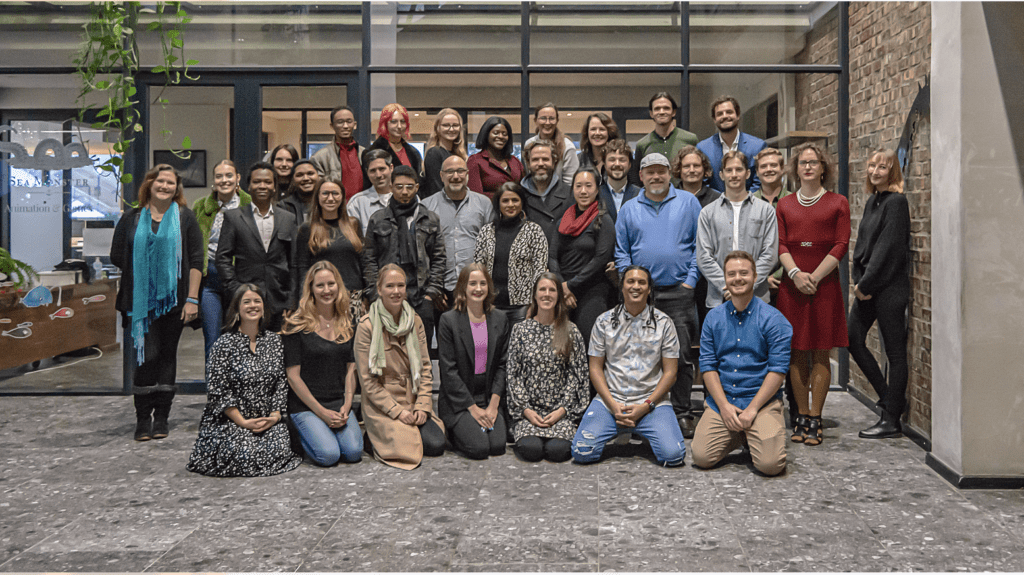
Sea Monster’s Lebo Lekoma on shaping South Africa’s brands
8 May 2026
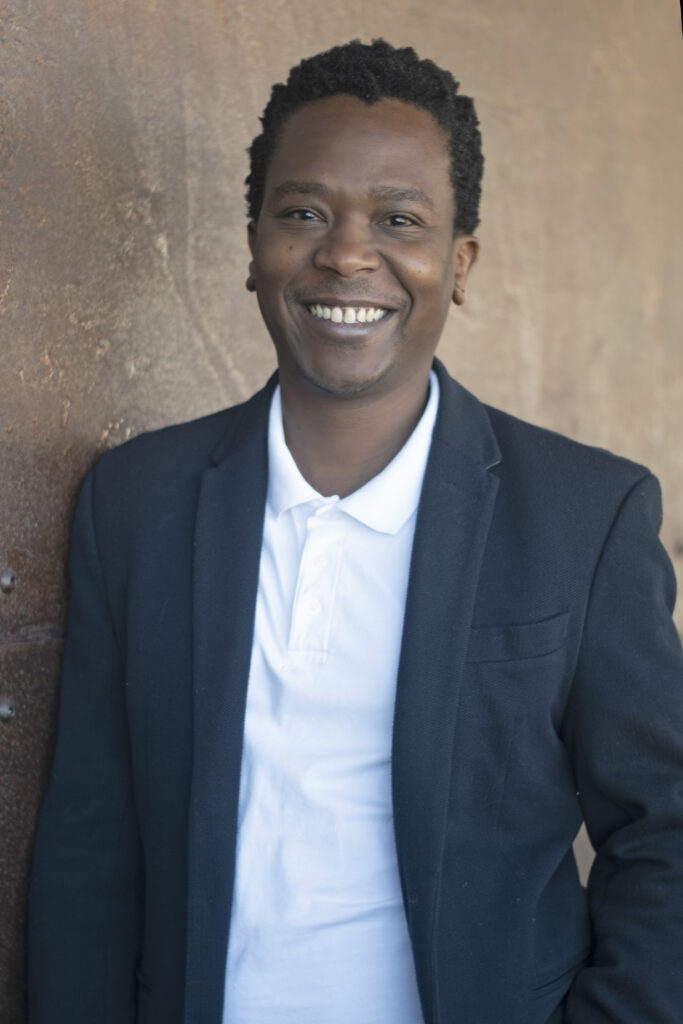
After an exciting long weekend of gaming, we caught up with Lebo Lekoma from Sea Monster to talk all things game development. As Director of Client Services at the gaming powerhouse, Lebo brings a unique career that spans nuclear engineering, film production, and strategic brand innovation.
Before stepping into the gaming space, Lebo pivoted to the creative industries, running the Amarebella Township Film Collective, where he produced and marketed local films such as Tsotsi and White Wedding, while also building audiences and creating skills development opportunities. Today at Sea Monster, he leads client strategy across major South African brands, including Old Mutual, FNB, Metropolitan, and ArcelorMittal.
Q. How did your journey into the gaming industry begin, and what led you to Sea Monster specifically?
My educational background is in engineering, reproductive health education, marketing and film production. Throughout that period, I was deeply inspired to use animation as an educational tool. Naturally that journey led me to meet Glenn and the broader team at Clockwork Zoo. When Sea Monster was born during that time of change, I had the opportunity to join Sea Monster. The rest, as they say, is history.
Q. The gaming industry has grown rapidly over the past decade, what major shifts have you personally observed during your time in it?
During my 15 years in this space, we have seen the global gaming industry grow to exceed the scale of the movie and music industries combined. We have seen social media spaces such as Roblox mature and age up with their audiences, to the extent that the market now includes over 18-year-olds. Today the fastest growing sector of games are men above the age of 50, and the segment that spends the most is women aged 35 – 55. The growth of mobile has seen gaming become ubiquitous and democratized. Games are for everyone.
Q. What sets Sea Monster apart from other studios in terms of creativity and approach to game development?
Because we are an impact games studio, our focus is on how we can apply gaming and its attendant practices to address social challenges. As a result, most of our work has been in the financial services spaces, with a focus on financial education and emperorship. Our work is not primarily about entertainment, though it has to be entertaining.
Q. How important is storytelling in modern games compared to gameplay mechanics?
I do not believe it to be a case of either or, but both. These I believe to be equally important when crafting purpose drive narratives. On a broader note, I do believe that other perspectives are needed in the space, so we have more that western narratives driving gaming at large.
Q. What challenges do emerging markets, particularly in Africa, face when trying to break into the global gaming industry?
I believe that we have an abundance of talent. What we need is the work. The easiest thing in my view, would be the corporates on the continent to get behind what it is we do. It’s about the work!
Q. How do you see mobile gaming influencing the future of the industry, especially in regions with limited access to high-end hardware?
Well, we know that the technology is getting better and that smart phone penetration is increasing across the continent. At the same time, we are seeing an increase in African developers, who are uniquely placed to understand how to develop for such low access markets. This should be seen as an opportunity.
Q. What role does education and gamification, something Sea Monster is known for, play in shaping the next generation of gamers and developers?
Education is still your best bet, to create a sustainable future for yourself. Our work aims to use the world’s most engaging medium to drive this shift. My believe is that these approaches will only become more important as we live in an increasingly more digital and algorithmic world. We still need safe spaces to experiment, to fail, to test and learn. Games will be the cornerstone of this providence.
Q. How do you balance creating games that are both commercially successful and socially impactful?
It’s a combination of science and art for us. The constraints of having to meet a business goal, while delivering an experience that is fun can actually be a conduit for creativity rather than an inhibitor.
Q. What advice would you give to young aspiring game developers who want to enter the industry today?
Get deeply involved in the ecosystem. And whether your work is good, and you’re always on time, you need at least 2 of those to survive in the workplace.
Q. Looking ahead, what trends or technologies (like AI, VR, or AR) do you think will most transform the gaming landscape in the next 5–10 years?
AI is going to be the biggest driver of change the medium term, whether for good or for ill. That remains to be seen.