The art of photographing film with Graham Bartholomew
10 July 2026
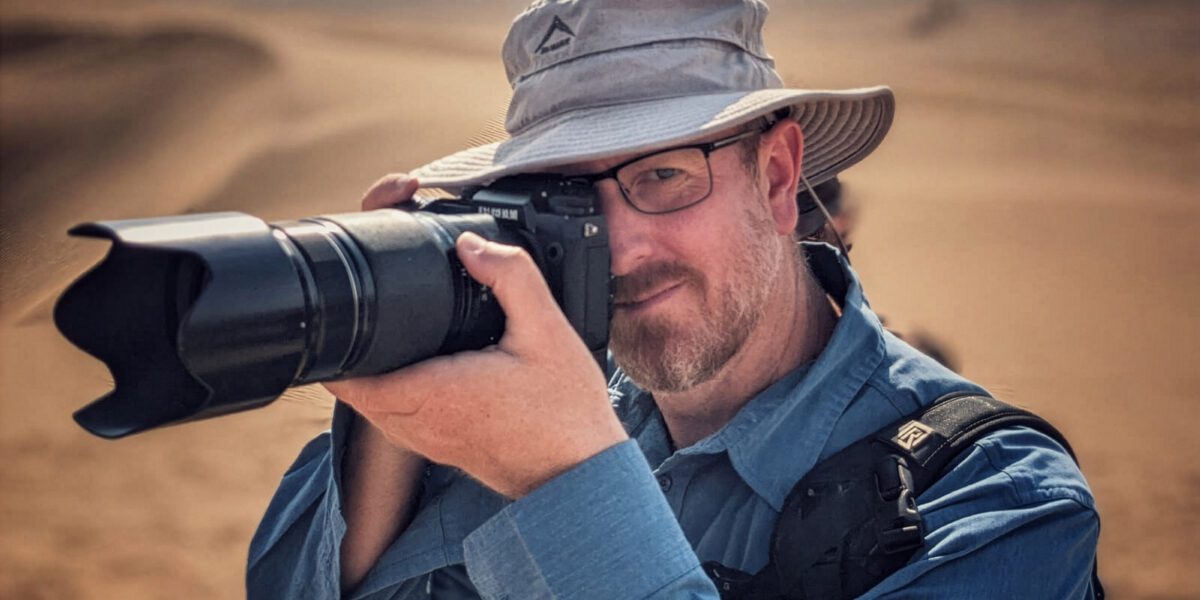
Before a film reaches audiences, a single image often tells the first part of the story. We spoke to acclaimed motion picture photographer Graham Bartholomew about the craft of unit stills photography, working on major international productions, and why Cape Town remains one of the world’s most sought-after filming destinations.
Having worked on productions for Warner Bros., Sony Pictures, Disney+, Apple TV+, Netflix, Amazon Studios and the BBC, Graham has built a reputation as one of the industry’s trusted unit stills photographers, capturing the images that introduce audiences to a story long before the opening scene.
Q. What first drew you to stills photography for film and television?
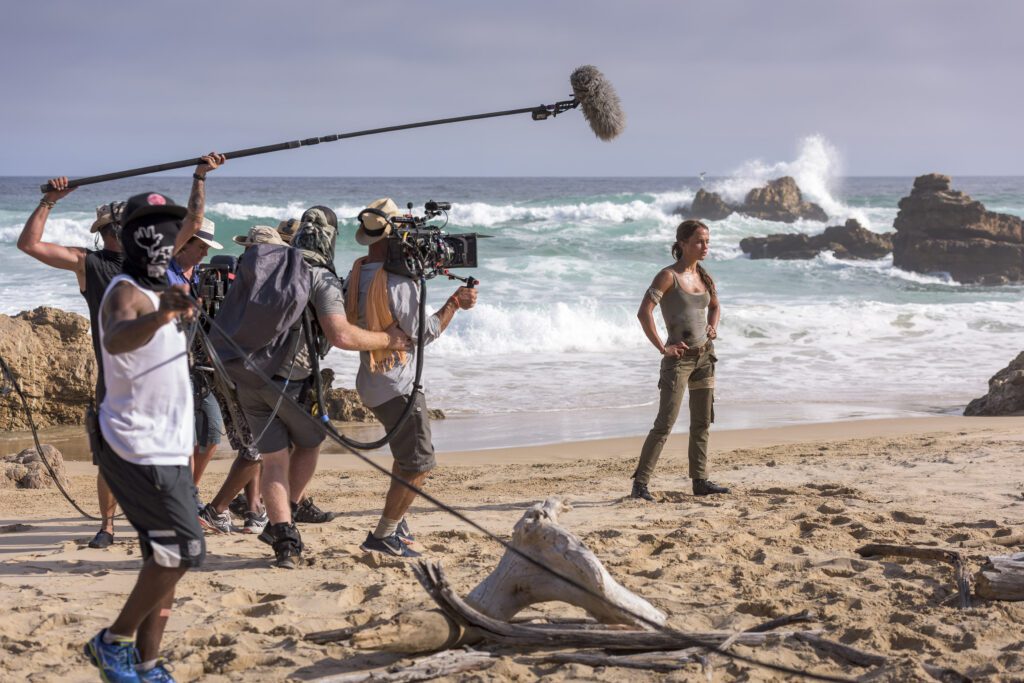
I actually came into it through picture editing, so I’d spent years looking at other photographers’ work before I ever stepped onto a film set with a camera. I should probably mention that I’m a Motion Picture Photographer, or Unit Stills Photographer. People often think that’s the same as behind-the-scenes photography, but BTS is only a small part of what I do. Most of my job is creating the publicity images that introduce a film long before audiences ever see it. I realised I loved being part of the filmmaking process without being in the spotlight. Every production is different, and after all these years I still find it fascinating to watch hundreds of talented people come together to tell one story.
Q. What makes a great production still?
A great production still should make you stop for a second. It needs to capture the mood of the film without giving the story away. If it leaves you curious enough to want to watch the film, it’s done its job.
Q. How do you balance remaining unobtrusive on set while ensuring you capture the moments that matter?
The best compliment I can get is when people forget I’m there. Film sets work because everyone trusts each other to do their job, so mine is to blend into the background and never interrupt the flow. That’s when people stop performing for the camera and simply get on with making the film. Those are usually the moments worth photographing.
Q. You’ve worked alongside directors, cinematographers and actors on countless productions. How has collaborating with such diverse creative teams shaped your approach to photography?
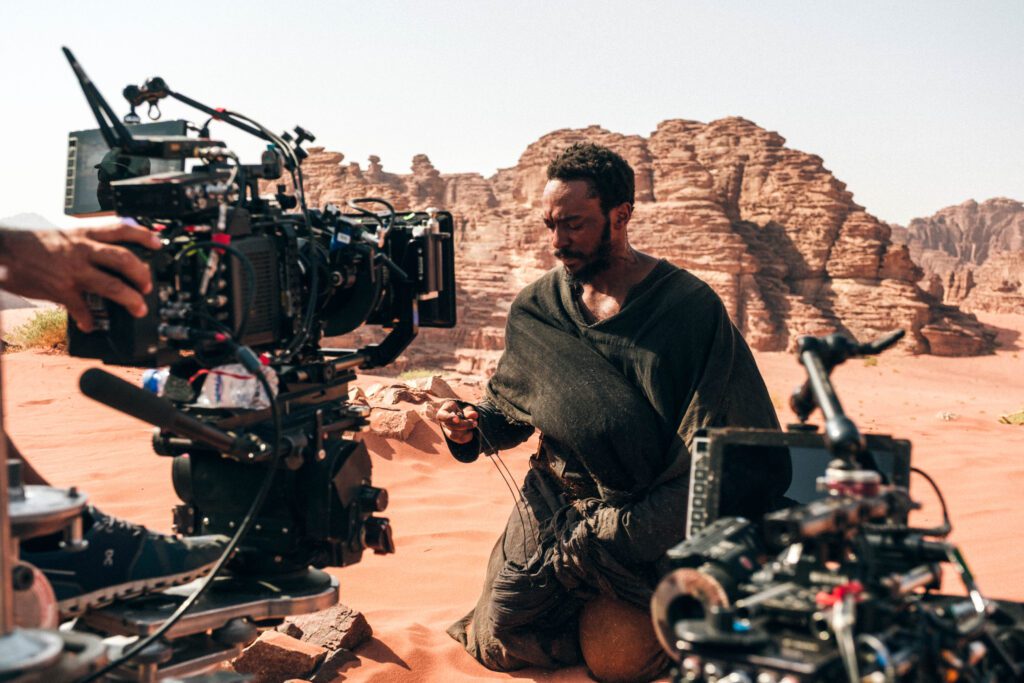
One of the things I enjoy most is watching how different people work. Every director, cinematographer and actor has their own rhythm, and every production teaches you something new. My job is to understand that rhythm as quickly as I can and fit into it, because my photographs should feel like they belong to their film, not mine.
Q. From your perspective behind the lens, what makes Cape Town so visually unique for productions?
Cape Town is incredibly versatile. Within an hour you can be in a city, on a beach, in the mountains, in vineyards or somewhere that looks like the middle of nowhere. Add the quality of the crews we have in South Africa, and it’s easy to see why so many international productions keep coming back.
Q. Is there a particular production you’ve worked on in Cape Town that stands out as especially memorable, and why?
Good Luck, Have Fun, Don’t Die, which we filmed in Cape Town in 2024. I had the opportunity to work with the brilliant Gore Verbinski, and I had to impress him before I even got the job, so there was plenty of pressure from the start. I actually love that. I love being pushed because it makes me better. It was an incredible experience learning from Gore, cinematographer James Whitaker and a fantastic cast led by Sam Rockwell.

Q. Film stills play an important role in marketing a production long before audiences see the final film or series. How has the role of still photography evolved in the age of streaming and social media?
The speed has changed more than anything. Images used to appear weeks or even months later. Now they can be shared around the world almost immediately. People are also far more interested in how films are made, so behind-the-scenes photography has become much more valuable. Ironically, the easier it becomes to create images with AI, the more people seem to appreciate seeing how films are actually made.
Q.What are some of the biggest challenges still photographers face on a busy film set, and how do you overcome them?
Mostly time! After that, space and light. You’re working around everyone else’s job, not the other way round. The trick is to stay prepared, stay flexible and never become part of the problem. A calm head goes a long way on a busy set.
Q. Technology has changed dramatically over the years. How has digital photography transformed your workflow, and are there any traditional techniques you still rely on?
Digital has made everything faster, especially when productions need images on the same day. The camera has changed. The job really hasn’t. Good light, good timing and good composition will always matter, no matter what camera you’re holding.
Q. Looking back at your body of work, is there a photograph you’re especially proud of? What makes that image meaningful to you?
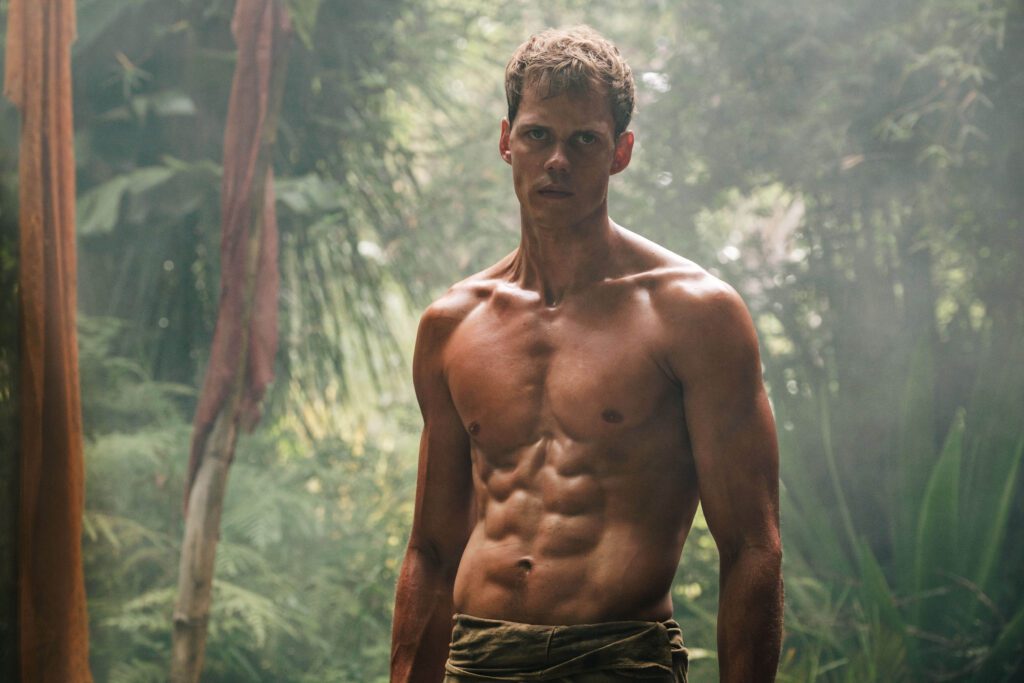
That’s a difficult one because every production leaves you with a few favourites. Sometimes I’ll come across an old photograph and it instantly takes me back to that day on set.
The first-look image of Alicia Vikander as Lara Croft in Tomb Raider is one. The first-look photographs of Matthew McConaughey and Anne Hathaway in Serenity are another. Then there are the behind-the-scenes moments, whether it’s Dave Wilson directing Vin Diesel and Sam Heughan on Bloodshot, or Gore Verbinski working with Sam Rockwell on Good Luck, Have Fun, Don’t Die. I could honestly keep going. Every one of those photographs reminds me of the people I worked with and just how fortunate we are that Cape Town continues to attract this calibre of international production and talent.
Q. For aspiring photographers who dream of working in the film industry, what skills or qualities do you believe are most important to develop?
Be reliable. People can teach technical skills, but they can’t teach trust. Listen more than you talk, respect everyone on set and never stop learning. If people enjoy working with you, they’ll invite you back.
Q. What’s next for you? Are there any upcoming projects or personal photographic ambitions you’re particularly excited about?
I’ve just completed production on a rather interesting period piece and I start shooting something, that I’m really excited about next week. But like most people in this industry, there are a few projects I can’t talk about just yet! I’m looking forward to what’s coming, and I’m also enjoying exploring behind-the-scenes videography alongside my still photography. It’s a natural extension of what I already love doing. As long as I’m always learning something new, I’m happy.